

Cecil Lee
Staff
-
Joined
-
Last visited
Everything posted by Cecil Lee
-
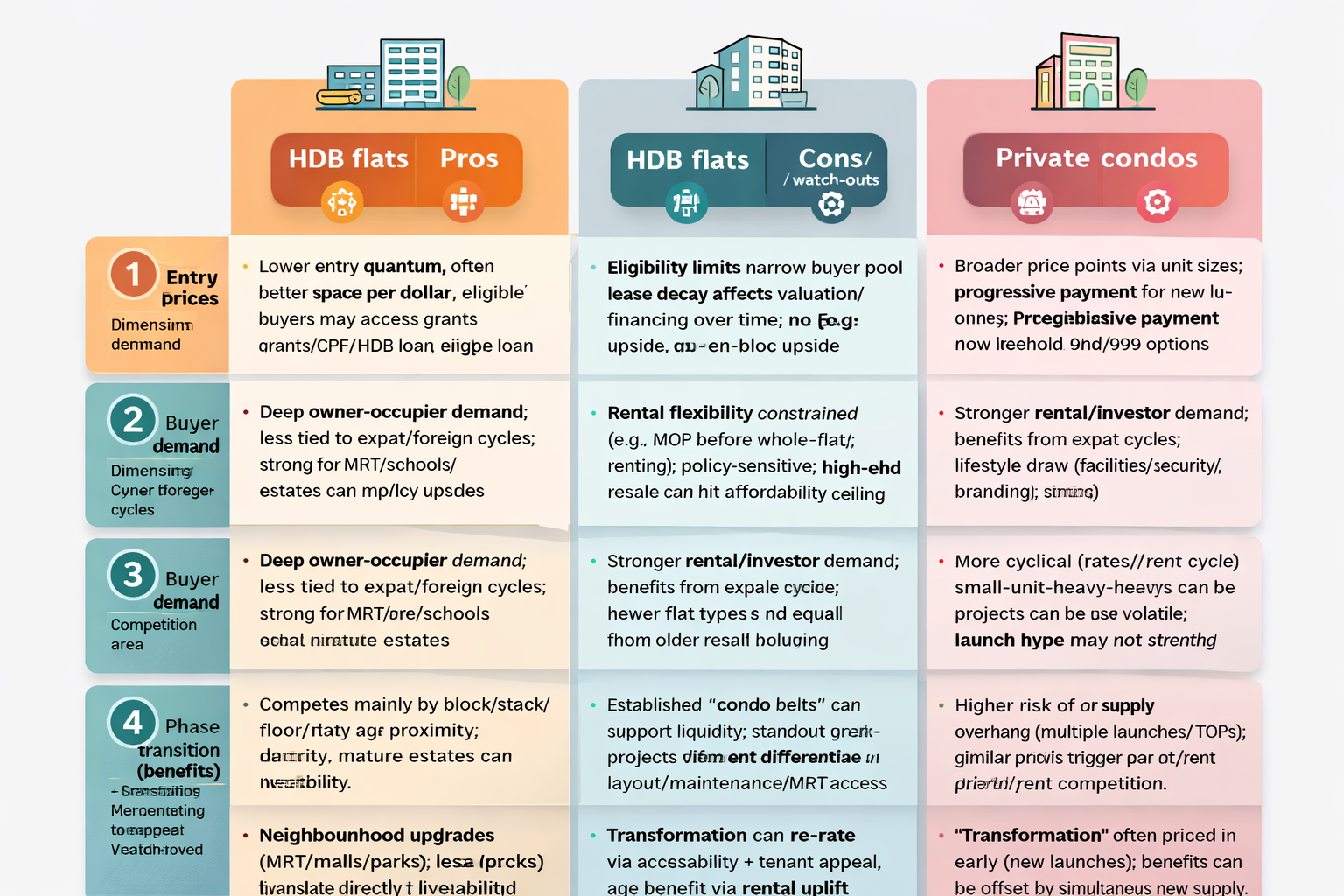
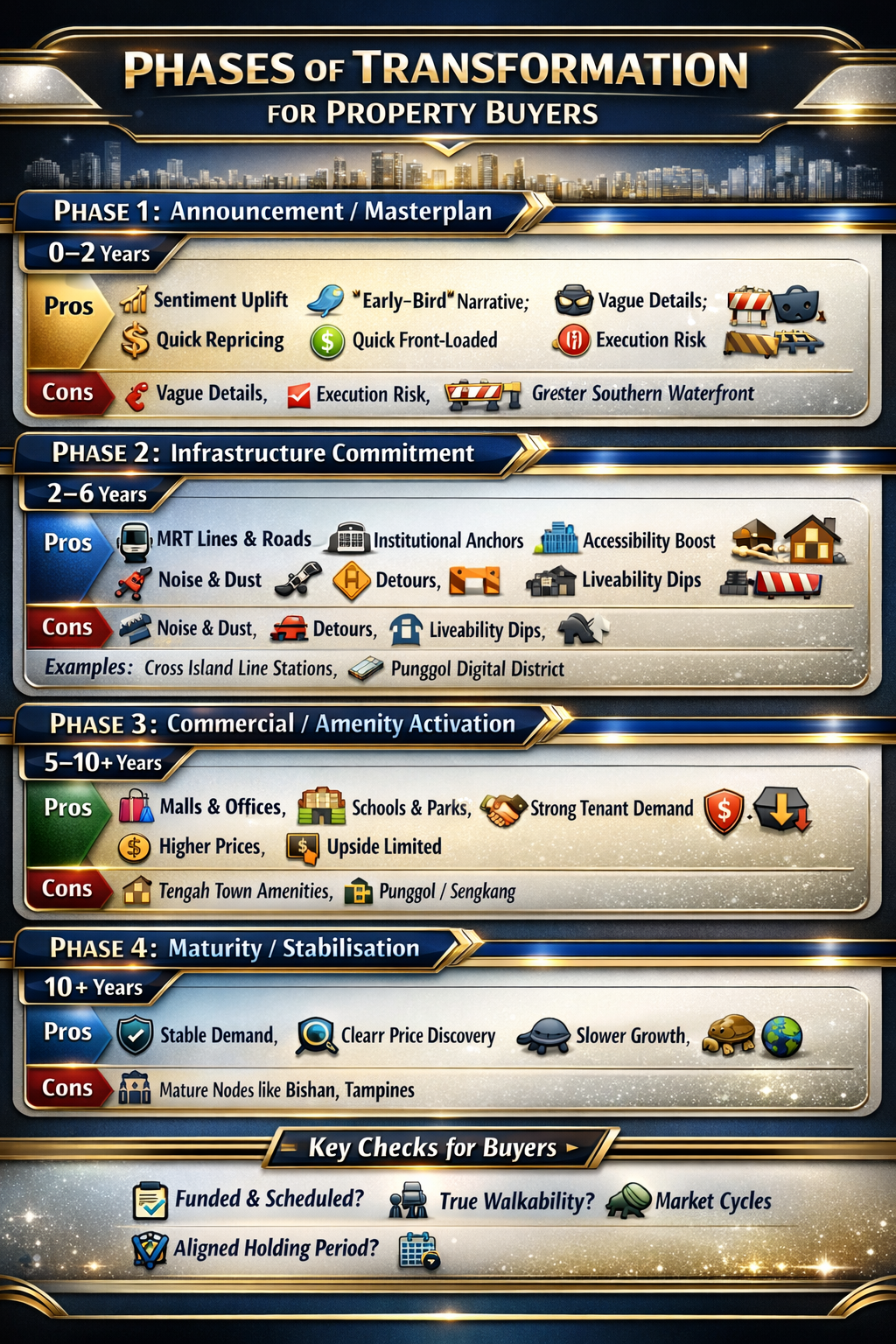
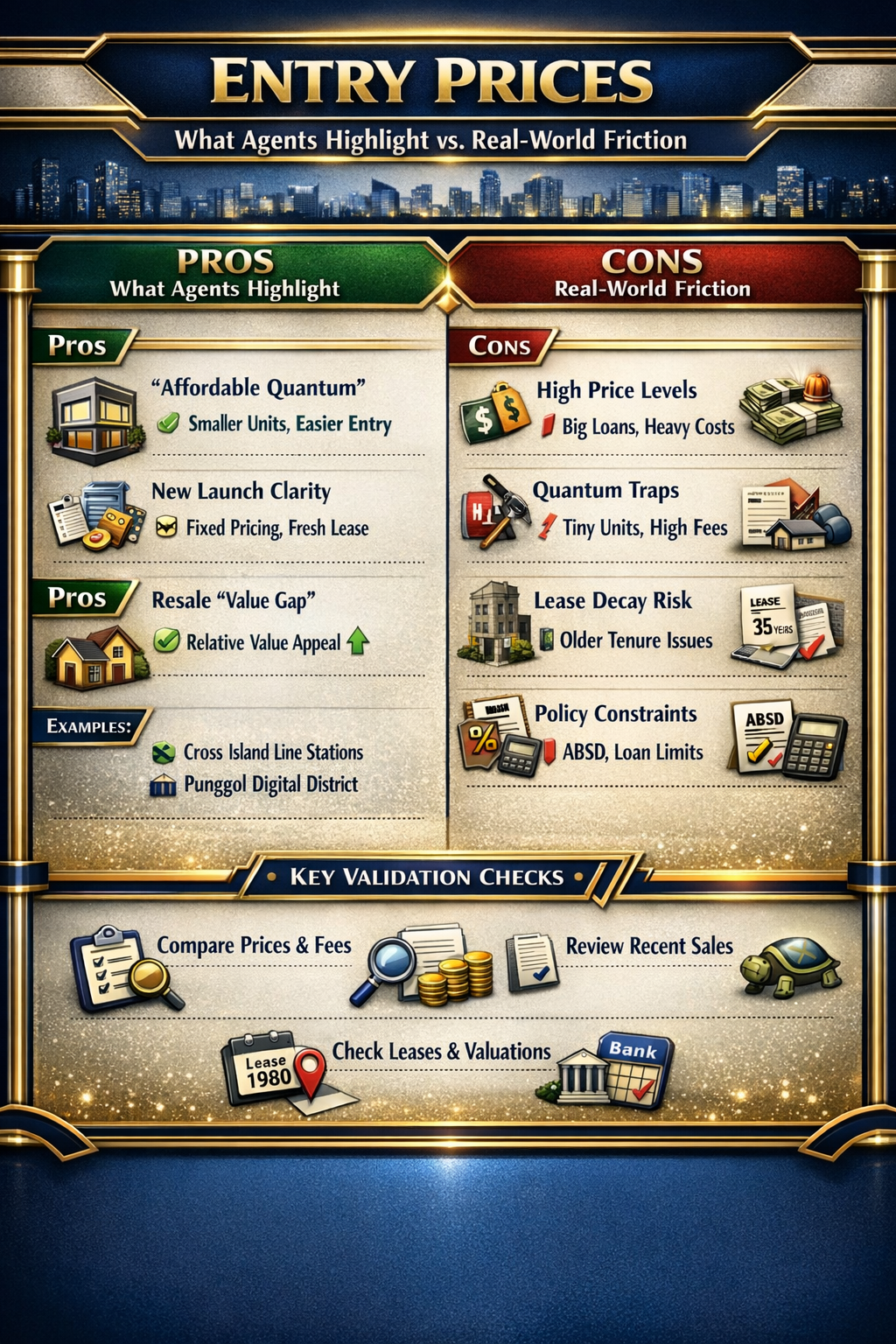
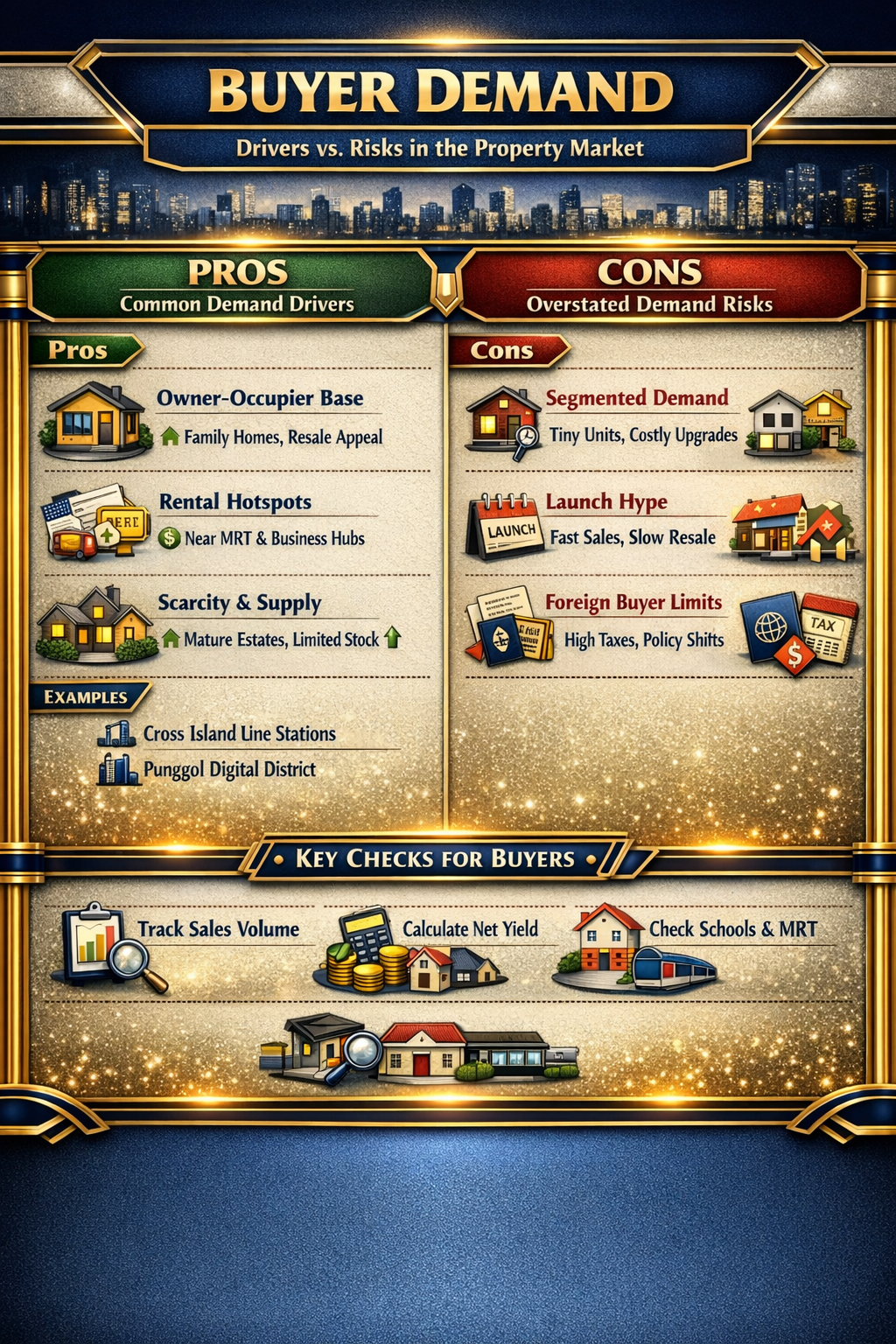
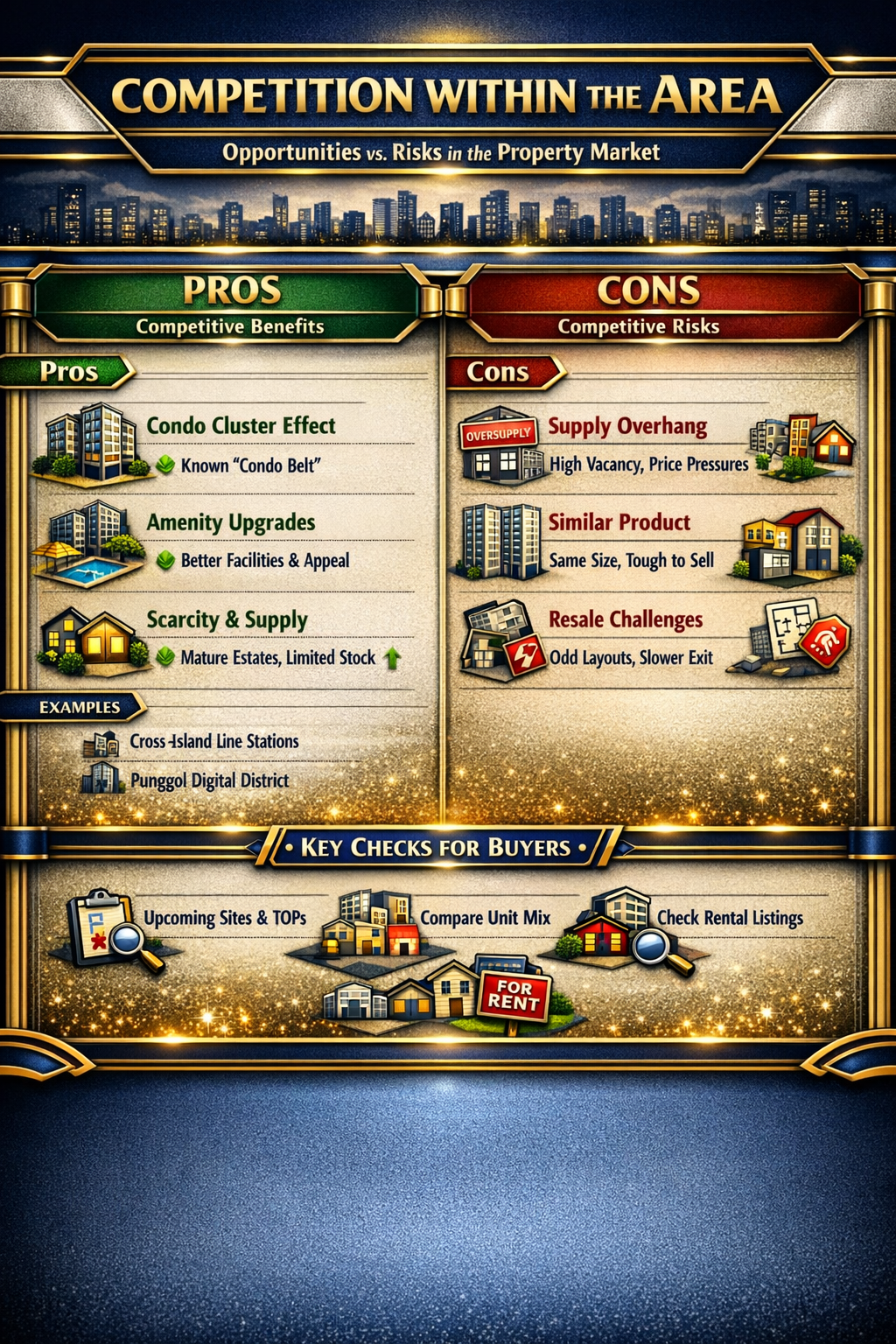
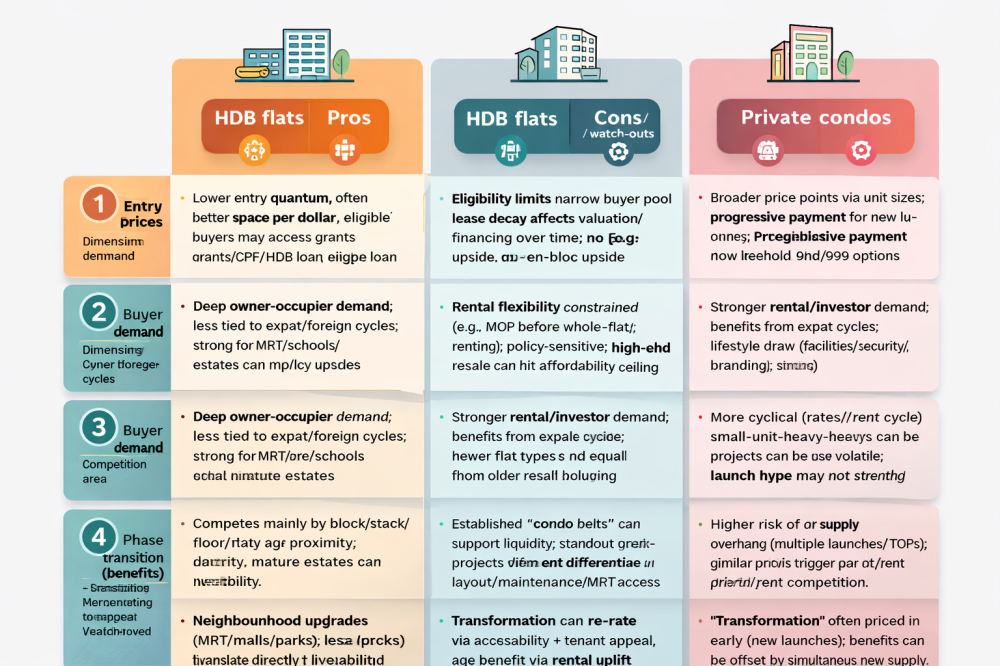
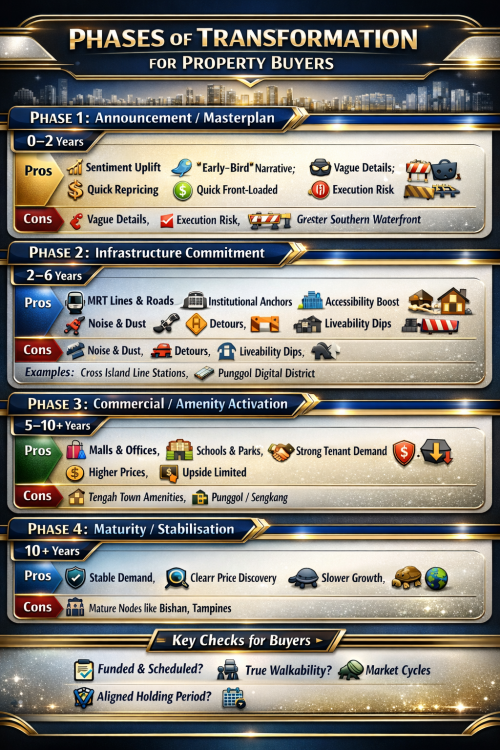
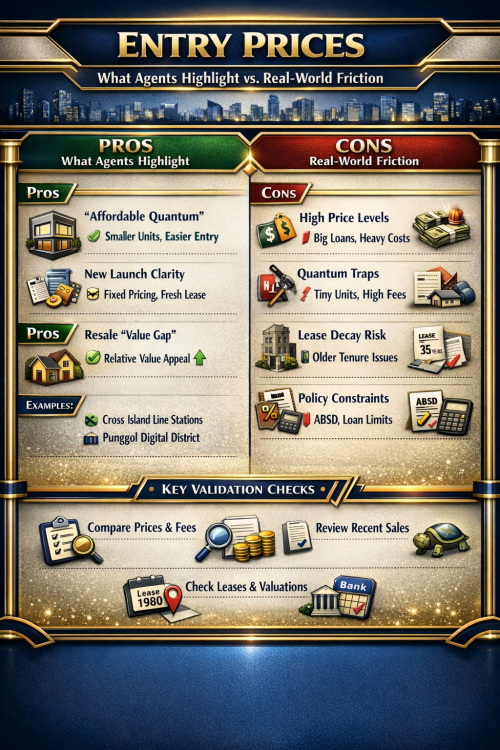
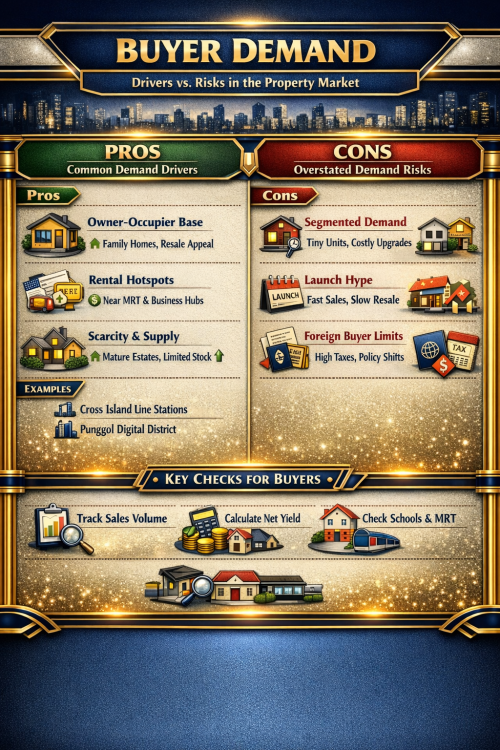
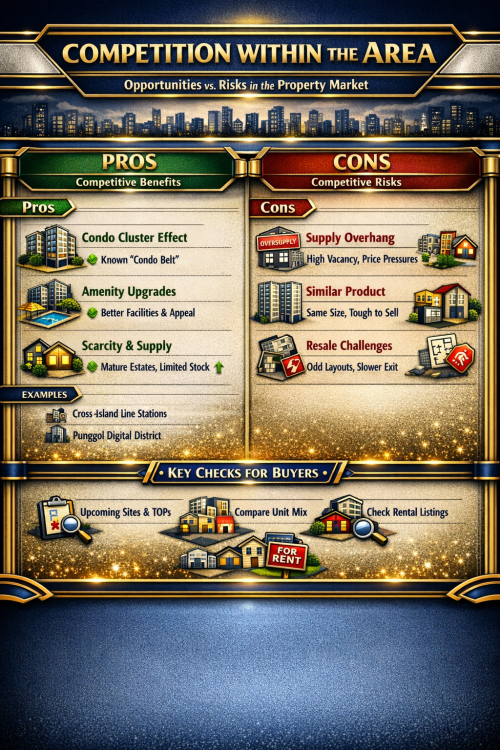
Nearby competition can sometimes help a condo because a “cluster” of condos makes the area more visible, gives buyers more price comparisons, and can encourage better upkeep and amenities to stand out. The main risks are having too much new supply coming at once (many launches or projects completing together), many similar condos competing mainly on price because they don’t feel different, and some units being harder to sell due to issues like stack, layout, facing, noise, or other unit-specific drawbacks. Area “transformation” can be real, but your returns depend on timing: prices may jump early when plans are announced, real improvements usually show up most when the MRT/amenities are actually running, and once the area is mature it becomes more stable but grows more slowly. To reduce mistakes, check the future supply pipeline, unit mix and rental listing pressure, whether the transformation plans are funded and have a clear schedule, and the real walking time to key places; also make sure your planned holding period matches the transformation timeline, and verify agent claims using recent comparable sales, incoming supply data, who the future buyer is likely to be, and simple stress tests for interest rates and rental levels. Here’s how the same pros/cons framework usually differs between HDB flats and private condos in Singapore. 1) Entry Prices Entry prices (HDB vs private condos, Singapore): HDB flats generally offer a lower upfront cost and better space value, with more affordability tools (CPF, grants, possible HDB loan) and clearer resale pricing due to mostly owner-occupier demand. The trade-offs are tighter eligibility rules, more noticeable lease-decay impact on value/financing over time, and fewer ways to “upgrade” the asset (no en-bloc, limited repositioning). Private condos have higher entry costs but a broader buyer pool that can support liquidity, more product/entry options (including small units and progressive payments for new launches), and sometimes longer-tenure appeal (freehold/999). Downsides include heavier ABSD exposure for many buyers and ongoing fees/frictional costs that can reduce returns, especially for smaller units. --- 2) Buyer Demand Buyer demand (HDB vs private condos, Singapore): In Singapore, HDB demand is typically steadier because it’s driven mainly by owner-occupiers (families and upgraders) rather than luxury or foreign sentiment, with especially consistent resale interest in strong, practical locations like near MRT stations, good schools, and mature estates. However, HDB demand is more policy-sensitive (grants, supply, cooling measures), rental demand is constrained by rules (e.g., MOP and subletting limits), and price ceilings can appear earlier because most buyers are local, income-based households. In contrast, private condo demand is supported more by investors and tenants, often strongest near MRT/CBD fringe/business parks/universities, and can benefit from expat and rental upswings plus lifestyle factors like facilities, security, and branding. The trade-off is that condo demand is generally more cyclical (interest rates, job market, rental cycle), investor- or small-unit-heavy projects can be more volatile when yields compress, and resale can soften if many similar projects TOP around the same time. --- 3) Competition Within the Area Competition within the area (HDB vs private condos, Singapore): In Singapore, HDB competition usually happens within the same estate, where buyers compare things like block/stack/floor, renovation condition, and how close the flat is to the MRT and daily amenities, rather than comparing “projects” the way they do for condos. In mature estates, having fewer new resale alternatives can help support prices, but new BTO or Prime launches nearby can limit how much resale prices can rise, and newer or better flat types in the area can also pull demand away from older flats. For private condos, having many condos nearby can create clearer price comparisons and sometimes improve resale liquidity in established areas, and the better project can stand out through layout, maintenance, views, MRT access, or amenities. The risk is that heavy nearby supply (new launches, GLS sites, or many projects TOP-ing together) can pressure both rents and resale prices, and similar condos often end up competing mainly on price if they don’t have clear differences. --- 4) Phases of Transformation Phases of transformation (HDB vs private condos, Singapore): For HDB flats, transformation usually happens in phases where new or improved amenities (like an MRT station, malls, parks, and upgraded town centres) make the neighbourhood more convenient and nicer to live in. This tends to support steady demand from owner-occupiers because daily life improves, but price growth is often more moderate. The upside can also be limited by affordability and housing policies, and older flats still face challenges from shorter remaining lease even if the area becomes better. For private condos, transformation can create a stronger jump in value when it clearly improves the area’s attractiveness to tenants and buyers—such as better transport links, nearby job hubs, or new lifestyle areas. Condo owners can benefit not just from higher resale prices but also from stronger rental demand and a wider pool of buyers. However, some gains may be “priced in” early (especially for new launches), and if many new condos are built around the same time, the extra supply can increase competition and reduce how much prices and rents rise. --- Practical takeawayHDB flats are usually cheaper and tend to have steadier demand because many buyers are buying to live in them. The downsides are that there are more rules on who can buy and sell, the lease gets shorter over time which can affect value, and you generally have less flexibility if you want to rent out the whole unit. Condos usually give you more flexibility for renting and investing, attract a wider range of buyers (including some who prefer private property), and can benefit more if the area improves or is developed. The trade-offs are a higher upfront cost (and possible ABSD), more competition from new condo launches, and higher ongoing costs like maintenance fees and property tax. Context note: This is not about Feng Shui, and you’re not a real estate agent—just a buyer tracking Singapore property trends.

-
Source & Credit:

-
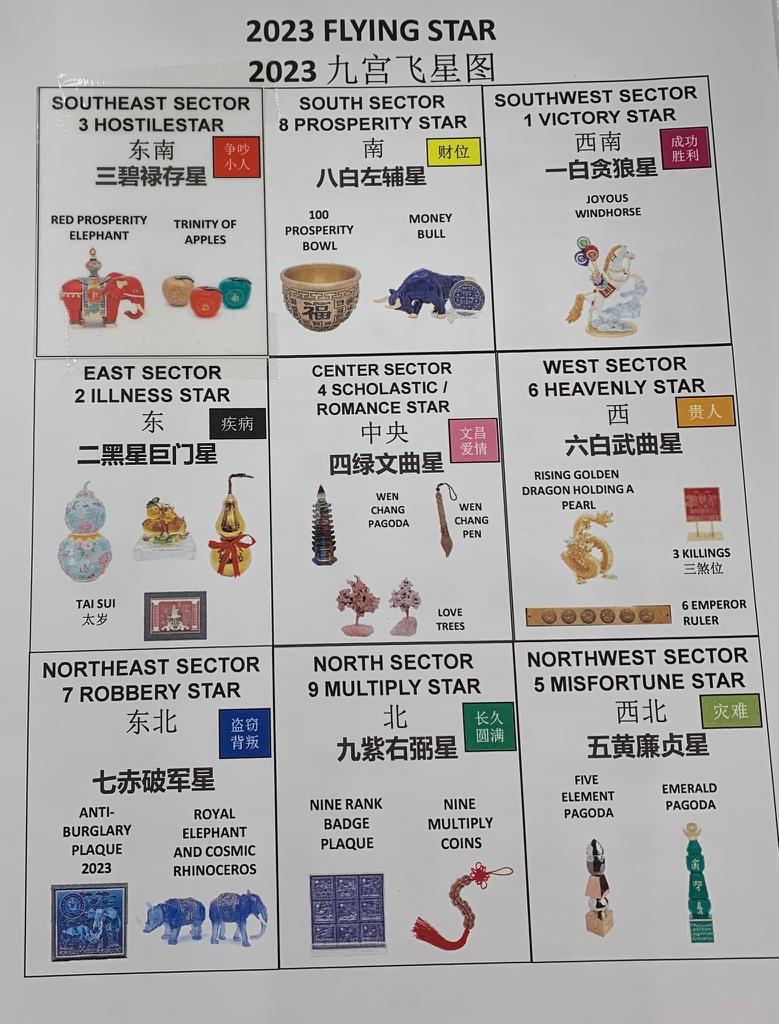
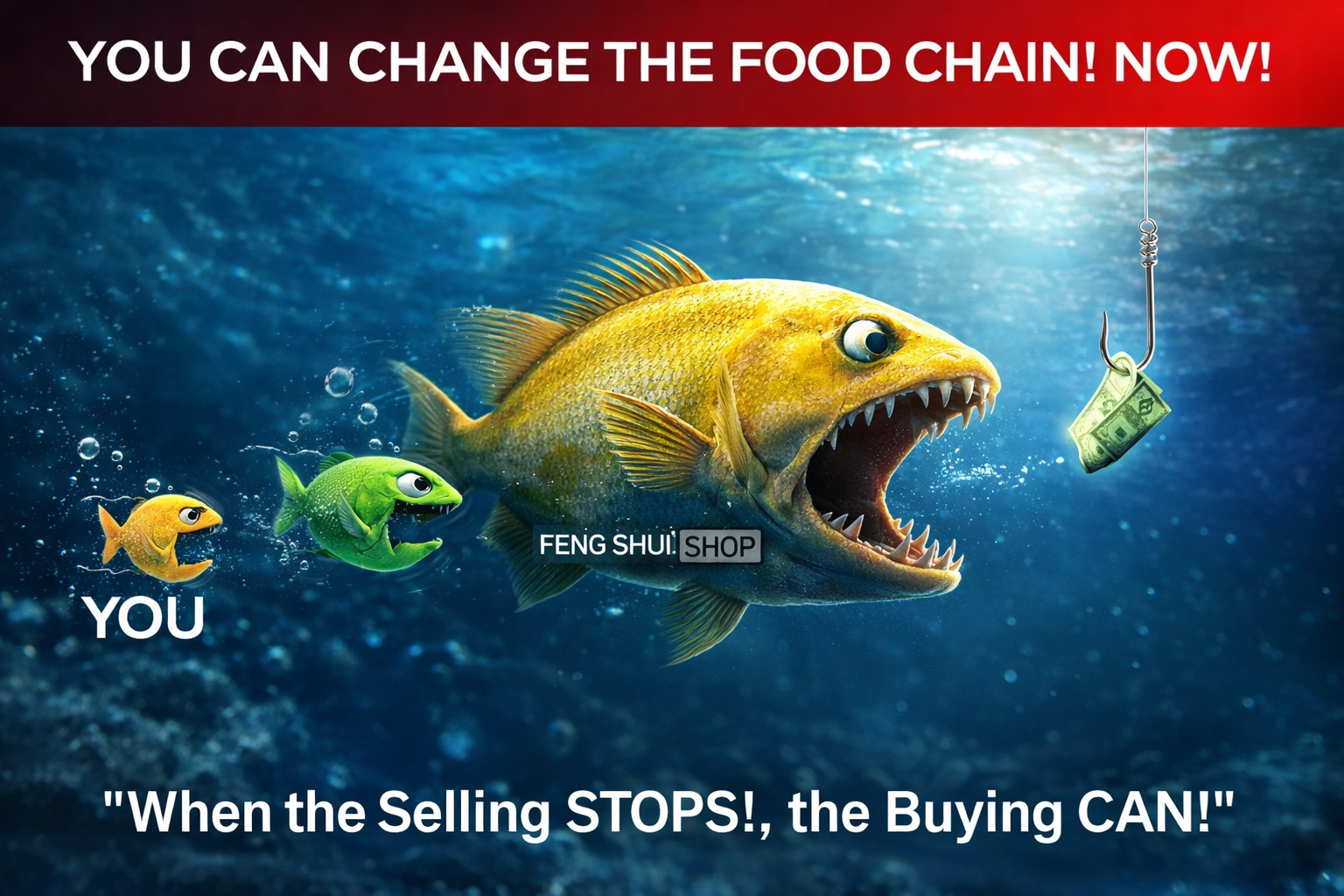
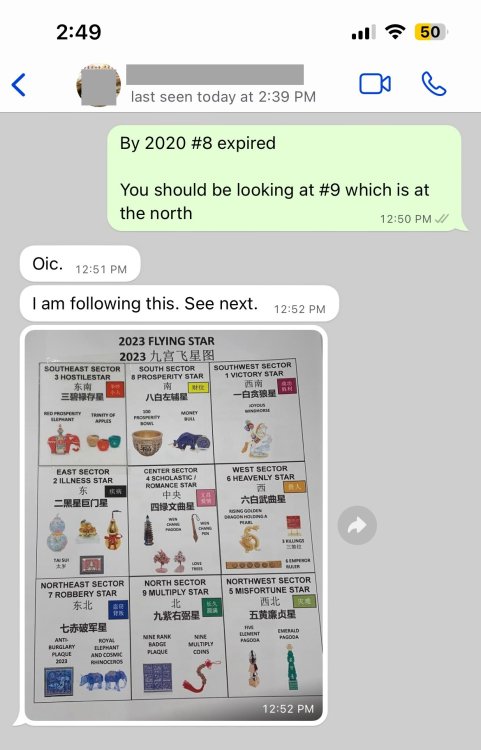
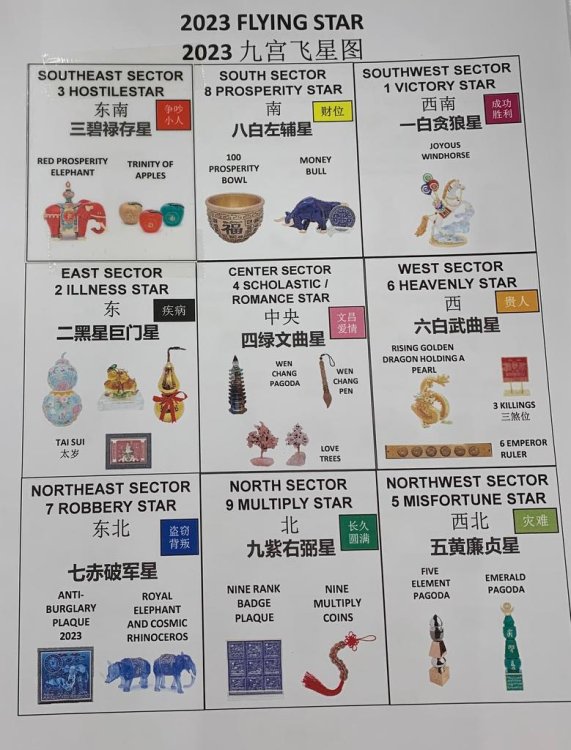
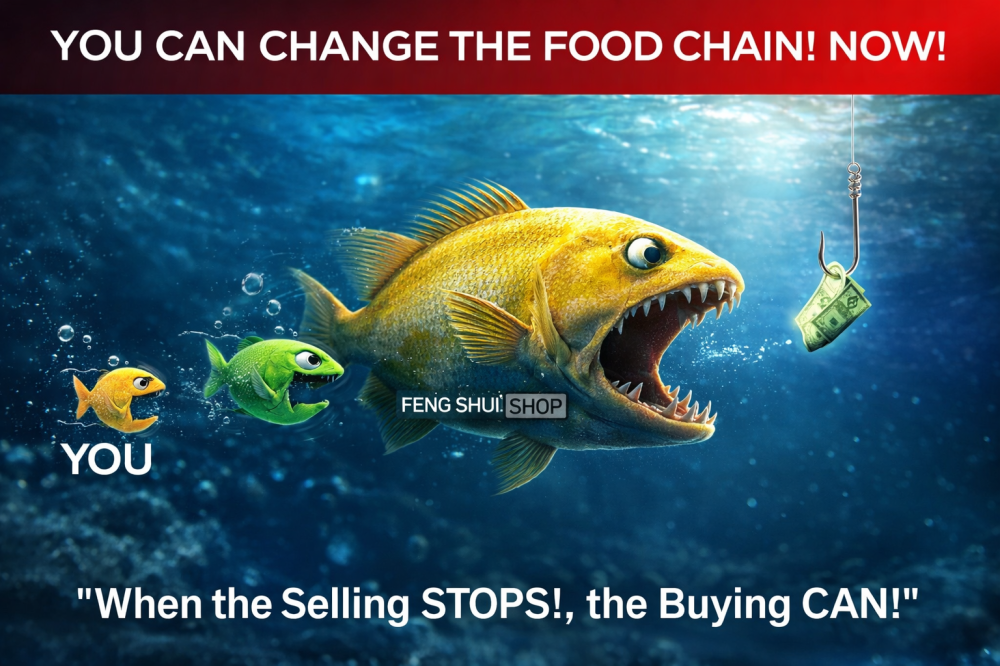
The truth about annual Feng Shui products: what’s sold as tradition has become a highly profitable buying trap. What many people don’t realize: annual Feng Shui products are less about balance and more about selling fear. Annual Feng Shui products aren’t guidance they’re a carefully engineered sales cycle. Let’s call it what it is: the annual Feng Shui buying cycle has become a commercialized scam. Understanding the Commercial Side of Modern Feng Shui The Annual Feng Shui Money Trap: Why You’re Told to Buy for All Nine Sectors Every Year The Feng Shui Sales Machine: How Annual “Cures” Turn Advice into Retail Annual Feng Shui Products Explained: Nine Sectors, Endless Purchases Separating Authentic Feng Shui from Product-Driven Practices Feng Shui Without Forced Buying: What Clients Are Rarely Told Many Feng Shui shops deliberately push customers to buy new items year after year, making it seem like these purchases are unavoidable. The bigger the family, the more objects we’re told we need, filling our homes with products we never truly needed in the first place. Over time, this becomes a repeating cycle—almost like an addiction—where people feel they have to make an annual pilgrimage to these so‑called Feng Shui masters. Fear, superstition, and guilt are quietly used to pressure people into buying again and again. In the end, the real purpose becomes clear: generating super‑normal profits for the sellers, while ordinary people unknowingly become their victims. Recognizing this pattern is the first step toward breaking free from it. Behind the friendly advice lies a clear motive: to push customers into buying as many products as possible—one for each of the nine sectors of their home. This isn’t guidance; it’s systematic upselling disguised as tradition. If we want this cycle to end, it starts with us. Please spread the word: when people stop buying out of fear, the selling stops too.

-
The truth about annual Feng Shui products: what’s sold as tradition has become a highly profitable buying trap. What many people don’t realize: annual Feng Shui products are less about balance and more about selling fear. Annual Feng Shui products aren’t guidance they’re a carefully engineered sales cycle. Let’s call it what it is: the annual Feng Shui buying cycle has become a commercialized scam. Understanding the Commercial Side of Modern Feng Shui The Annual Feng Shui Money Trap: Why You’re Told to Buy for All Nine Sectors Every Year The Feng Shui Sales Machine: How Annual “Cures” Turn Advice into Retail Annual Feng Shui Products Explained: Nine Sectors, Endless Purchases Separating Authentic Feng Shui from Product-Driven Practices Feng Shui Without Forced Buying: What Clients Are Rarely Told Many Feng Shui shops deliberately push customers to buy new items year after year, making it seem like these purchases are unavoidable. The bigger the family, the more objects we’re told we need, filling our homes with products we never truly needed in the first place. Over time, this becomes a repeating cycle—almost like an addiction—where people feel they have to make an annual pilgrimage to these so‑called Feng Shui masters. Fear, superstition, and guilt are quietly used to pressure people into buying again and again. In the end, the real purpose becomes clear: generating super‑normal profits for the sellers, while ordinary people unknowingly become their victims. Recognizing this pattern is the first step toward breaking free from it. Behind the friendly advice lies a clear motive: to push customers into buying as many products as possible—one for each of the nine sectors of their home. This isn’t guidance; it’s systematic upselling disguised as tradition. If we want this cycle to end, it starts with us. Please spread the word: when people stop buying out of fear, the selling stops too.
-
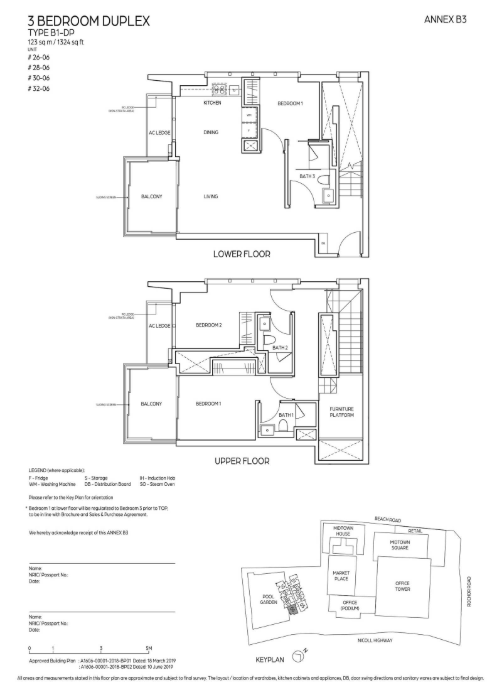
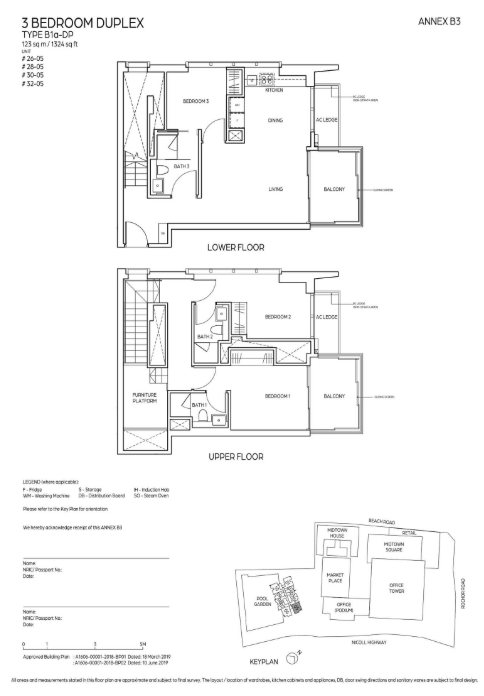
3 Bedroom Duplex
-
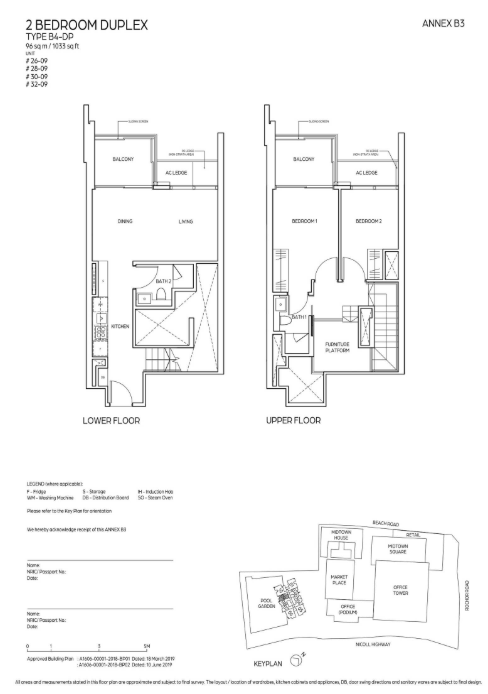
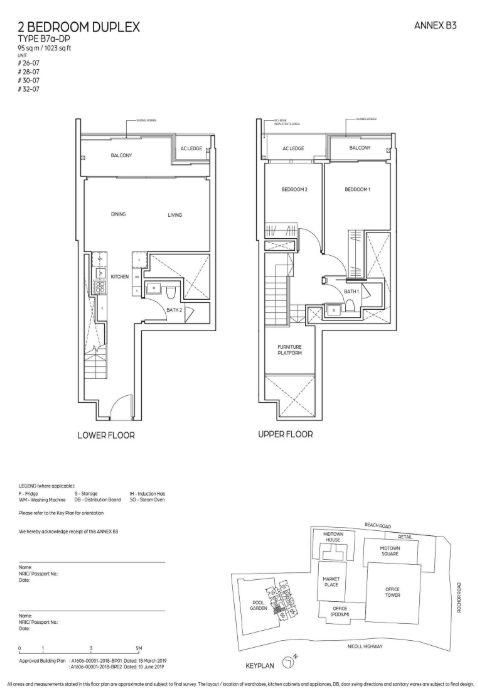
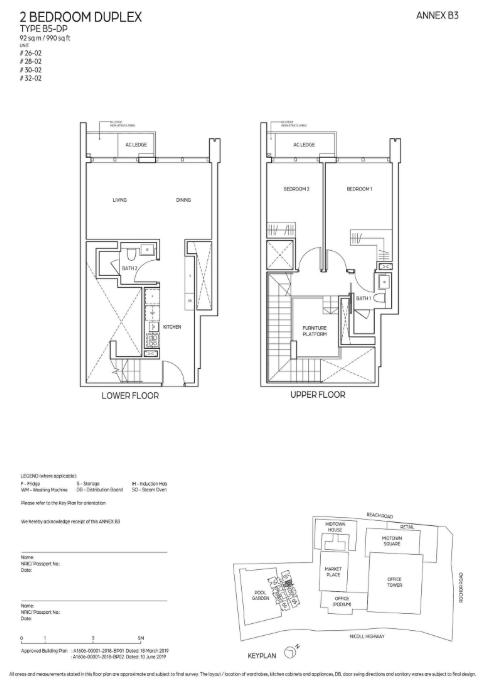
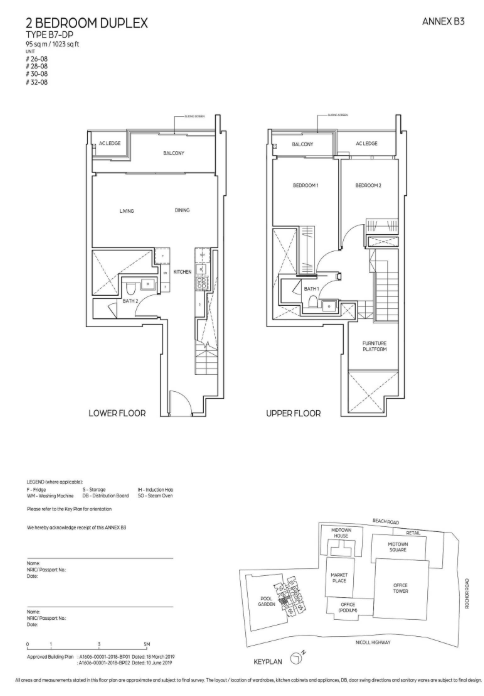
2 Bedroom Duplex
-
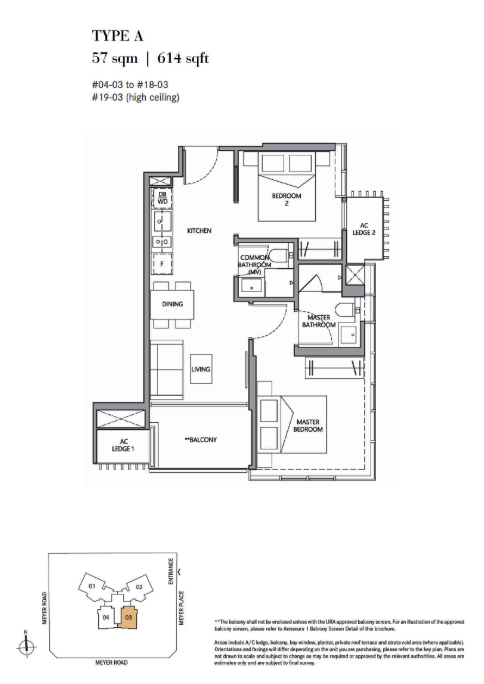
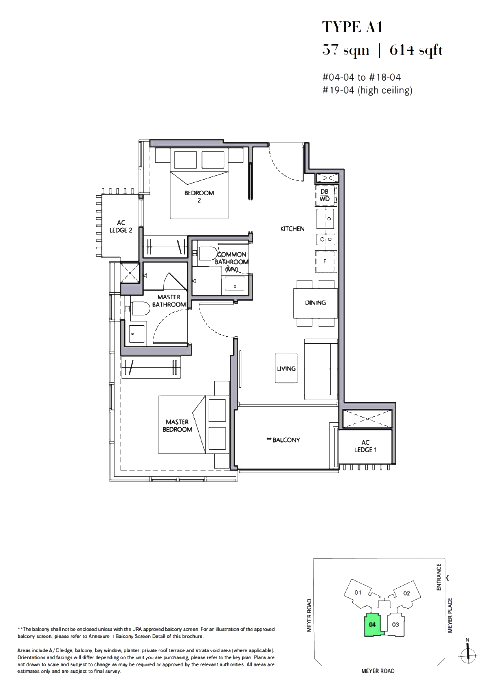
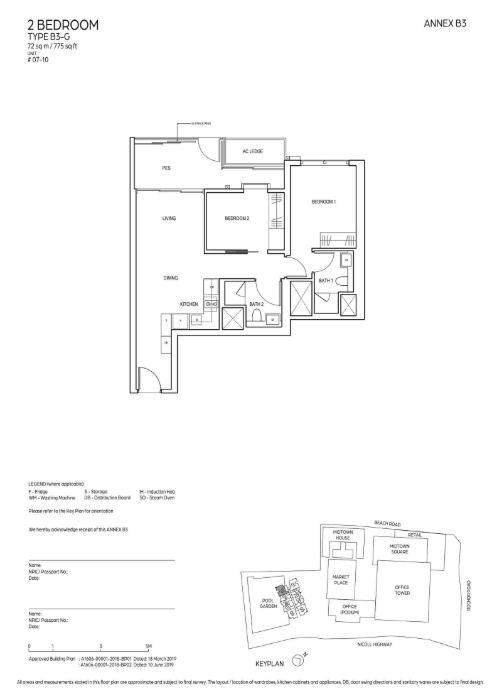
2 Bedroom
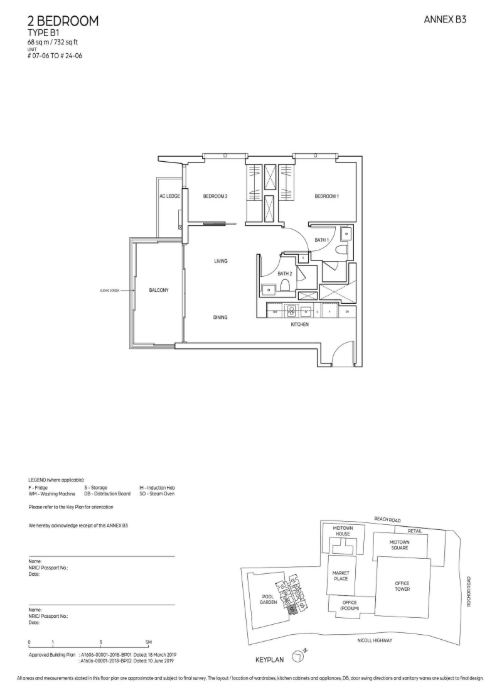
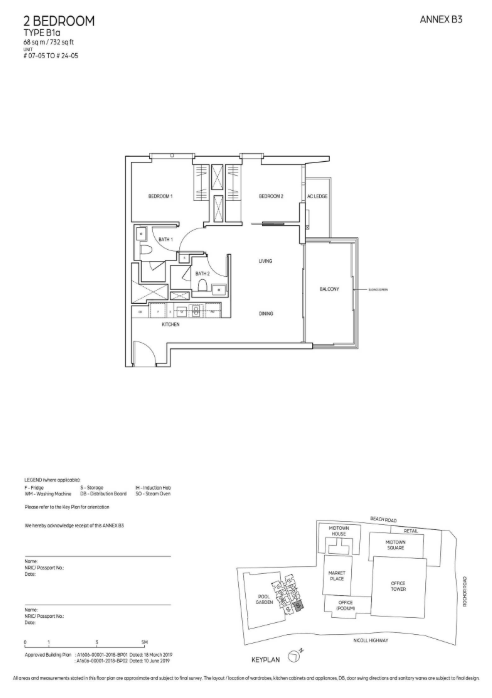
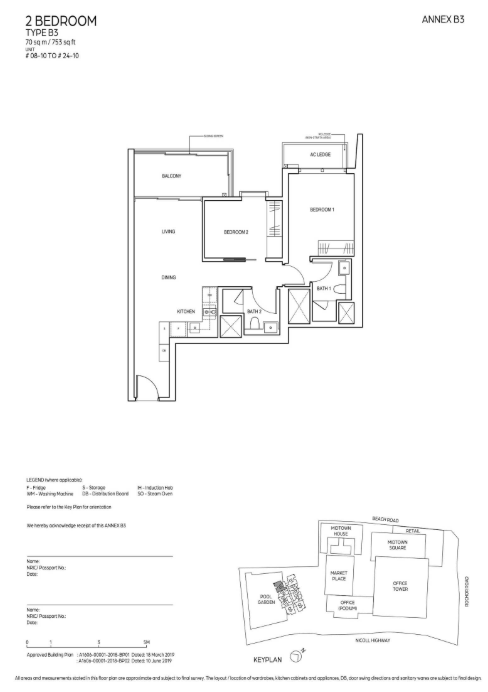
-
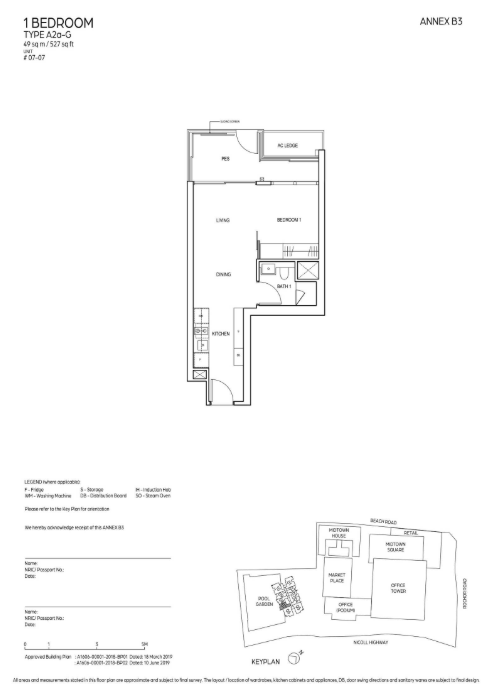
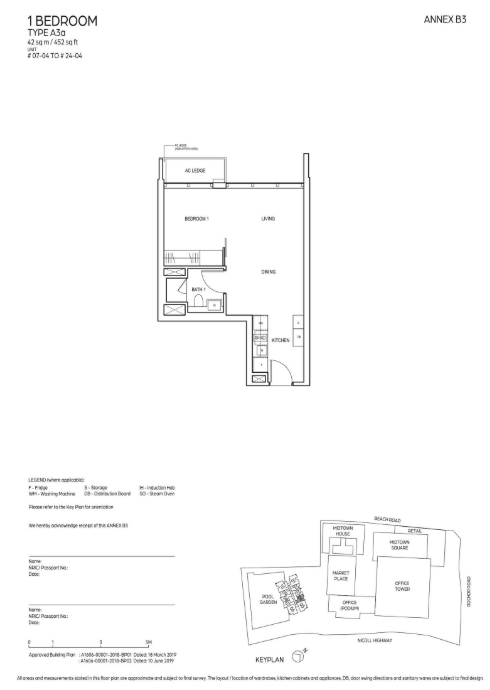
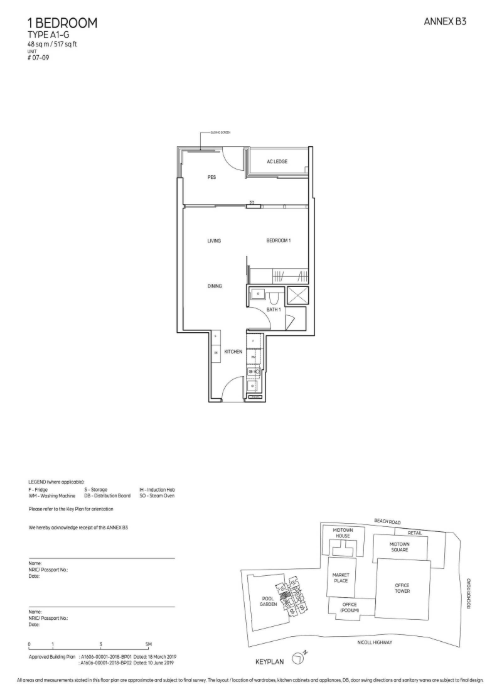
1 Bedroom
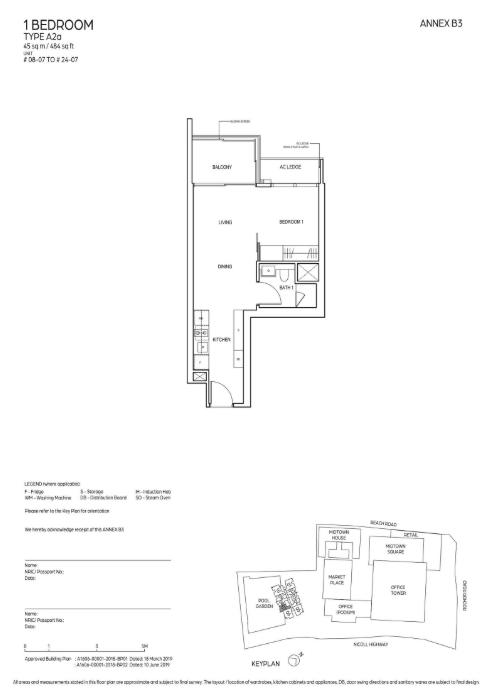
-
The truth about annual Feng Shui products: what’s sold as tradition has become a highly profitable buying trap. What many people don’t realize: annual Feng Shui products are less about balance and more about selling fear. Annual Feng Shui products aren’t guidance they’re a carefully engineered sales cycle. Let’s call it what it is: the annual Feng Shui buying cycle has become a commercialized scam. Understanding the Commercial Side of Modern Feng Shui The Annual Feng Shui Money Trap: Why You’re Told to Buy for All Nine Sectors Every Year The Feng Shui Sales Machine: How Annual “Cures” Turn Advice into Retail Annual Feng Shui Products Explained: Nine Sectors, Endless Purchases Separating Authentic Feng Shui from Product-Driven Practices Feng Shui Without Forced Buying: What Clients Are Rarely Told Many Feng Shui shops deliberately push customers to buy new items year after year, making it seem like these purchases are unavoidable. The bigger the family, the more objects we’re told we need, filling our homes with products we never truly needed in the first place. Over time, this becomes a repeating cycle—almost like an addiction—where people feel they have to make an annual pilgrimage to these so‑called Feng Shui masters. Fear, superstition, and guilt are quietly used to pressure people into buying again and again. In the end, the real purpose becomes clear: generating super‑normal profits for the sellers, while ordinary people unknowingly become their victims. Recognizing this pattern is the first step toward breaking free from it. Behind the friendly advice lies a clear motive: to push customers into buying as many products as possible—one for each of the nine sectors of their home. This isn’t guidance; it’s systematic upselling disguised as tradition. If we want this cycle to end, it starts with us. Please spread the word: when people stop buying out of fear, the selling stops too.
-
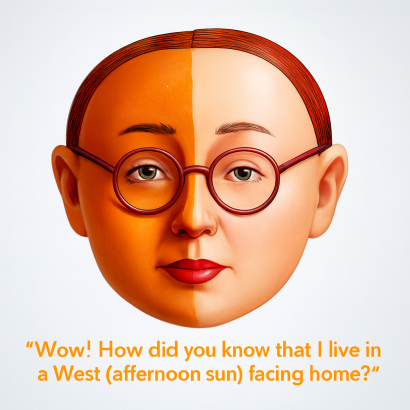
Thinking about buying a home that faces the afternoon sun? BUT +++


-
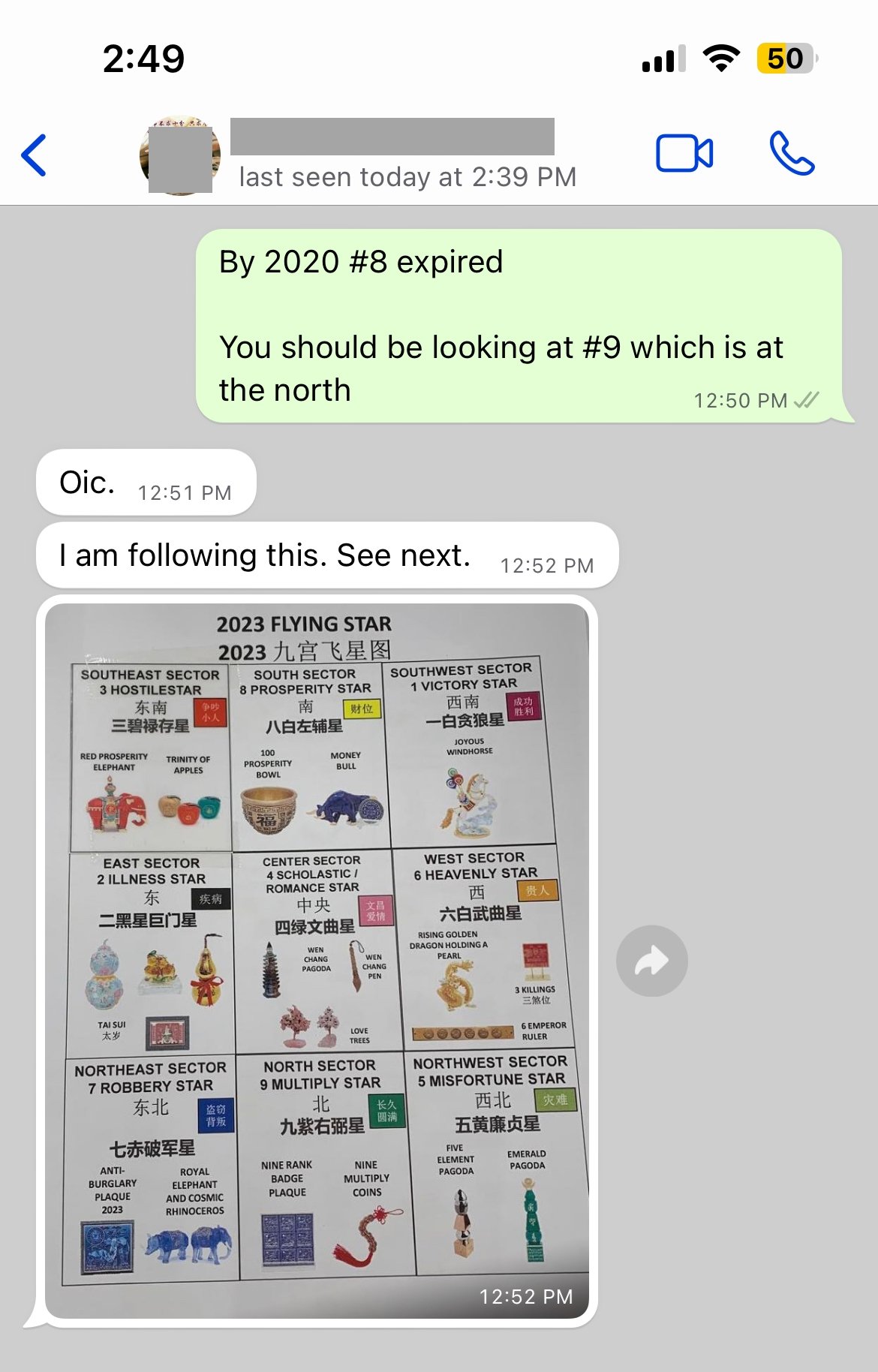
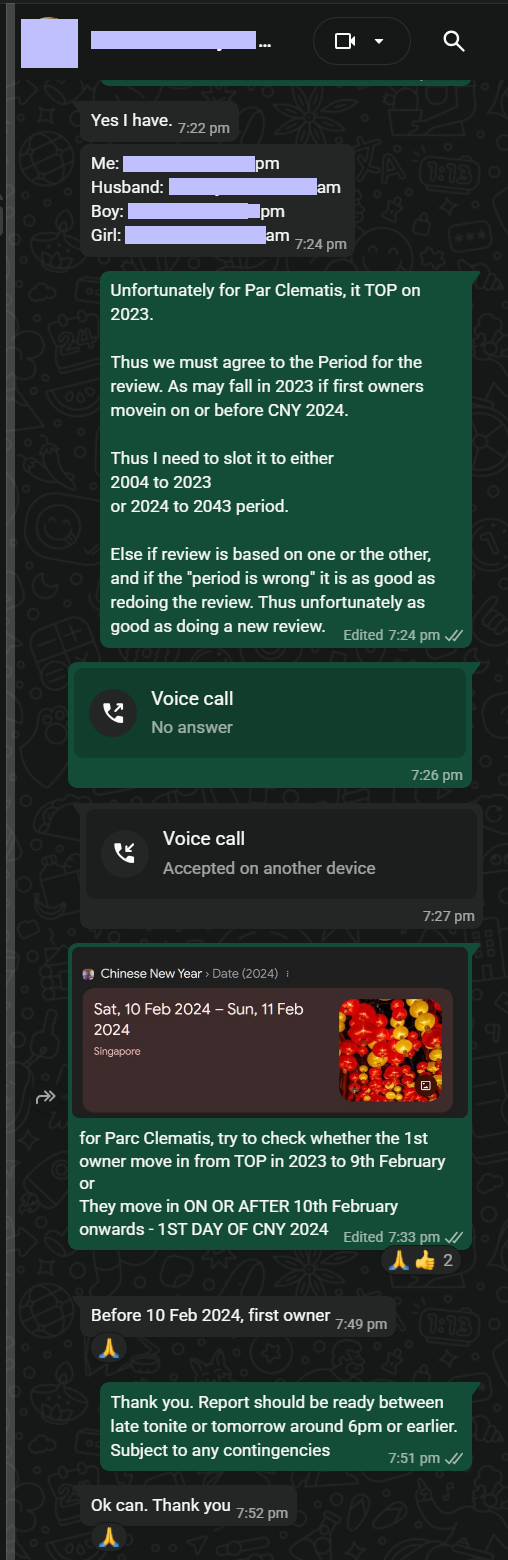
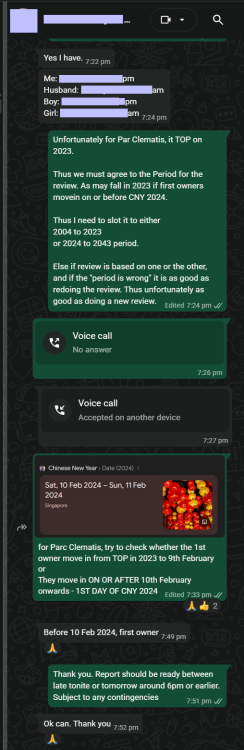
TOP in 2023 - If you move in on or before CNY 2024 (9 February 2024 or earlier), use Period 8 Feng Shui. If the first owner moves in on or after 10 February 2024, use Period 9 Feng Shui. More AN EXAMINATION OF WHICH FLYING STAR PERIOD ONE SHOULD UTILIZE? +++ Which Flying Star Period to Use? For example, take a look at Treasure @ Tampines The transition of Feng Shui Qi is significant in the context of the Chinese New Year 2024, as it influences the energy dynamics within a space. The timing of when a unit is first occupied plays a crucial role in determining its Flying Star Feng Shui. This means that the specific day of occupancy will affect the energetic quality and overall Feng Shui of the unit, highlighting the importance of timing in Feng Shui practices. Understanding these elements can help individuals optimize their living environments in alignment with the changing energies associated with the New Year. +++ When did the first owner/resident/tenant take residence in the unit at Treasure @ Tampines? +++ EITHER Can be the owner, resident or a tenant OR Can be the owner, resident or a tenant REGARDLESS, UNITS FACING NORTH POSSESS A POSITIVE FENG SHUI OVERALL How do you Feng Shui your home? Use your front door? Who are the Conservatives & the Modernist? +++ For Parc Clematis, for example, many collected their keys in 2023. However, some may choose to move in on or after CNY 2024. +++ Cecil Lee, Geomancy.net





-
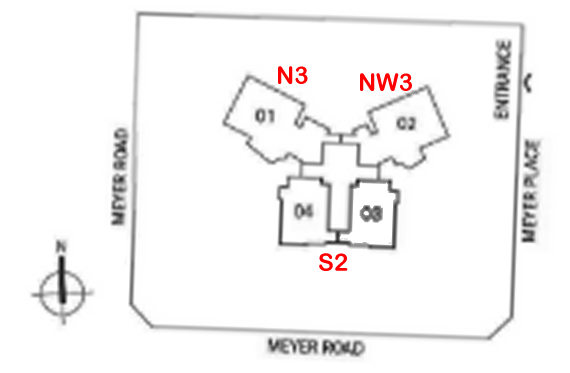
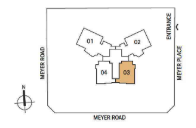
One Meyer Site Plan
-
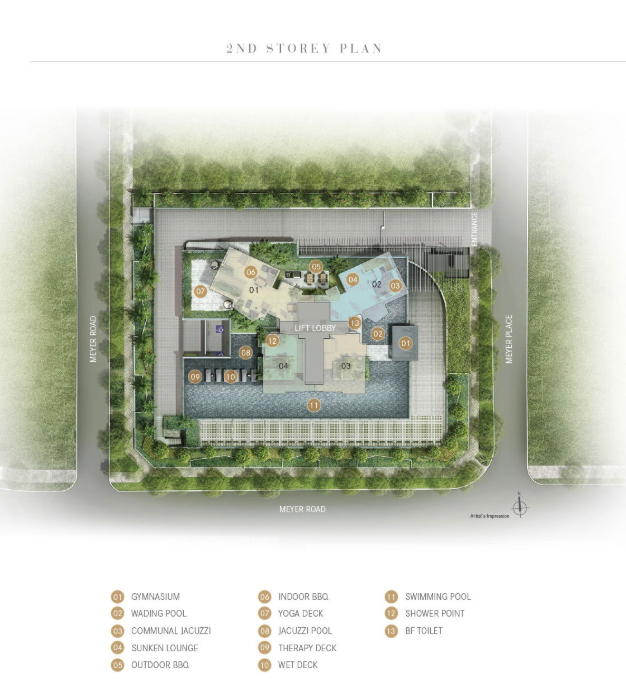
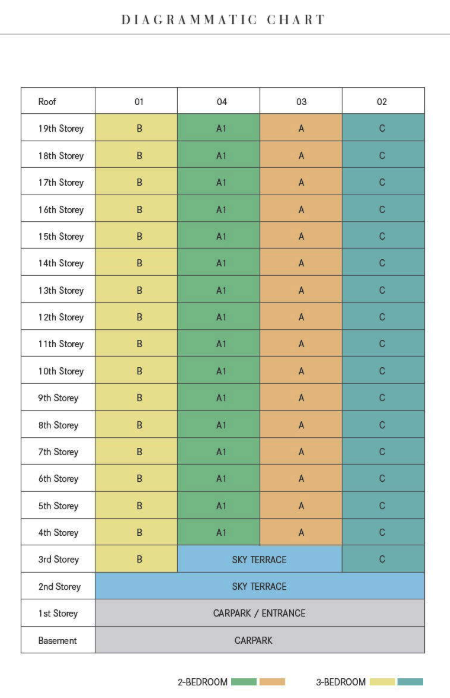
One Meyer Site Plans
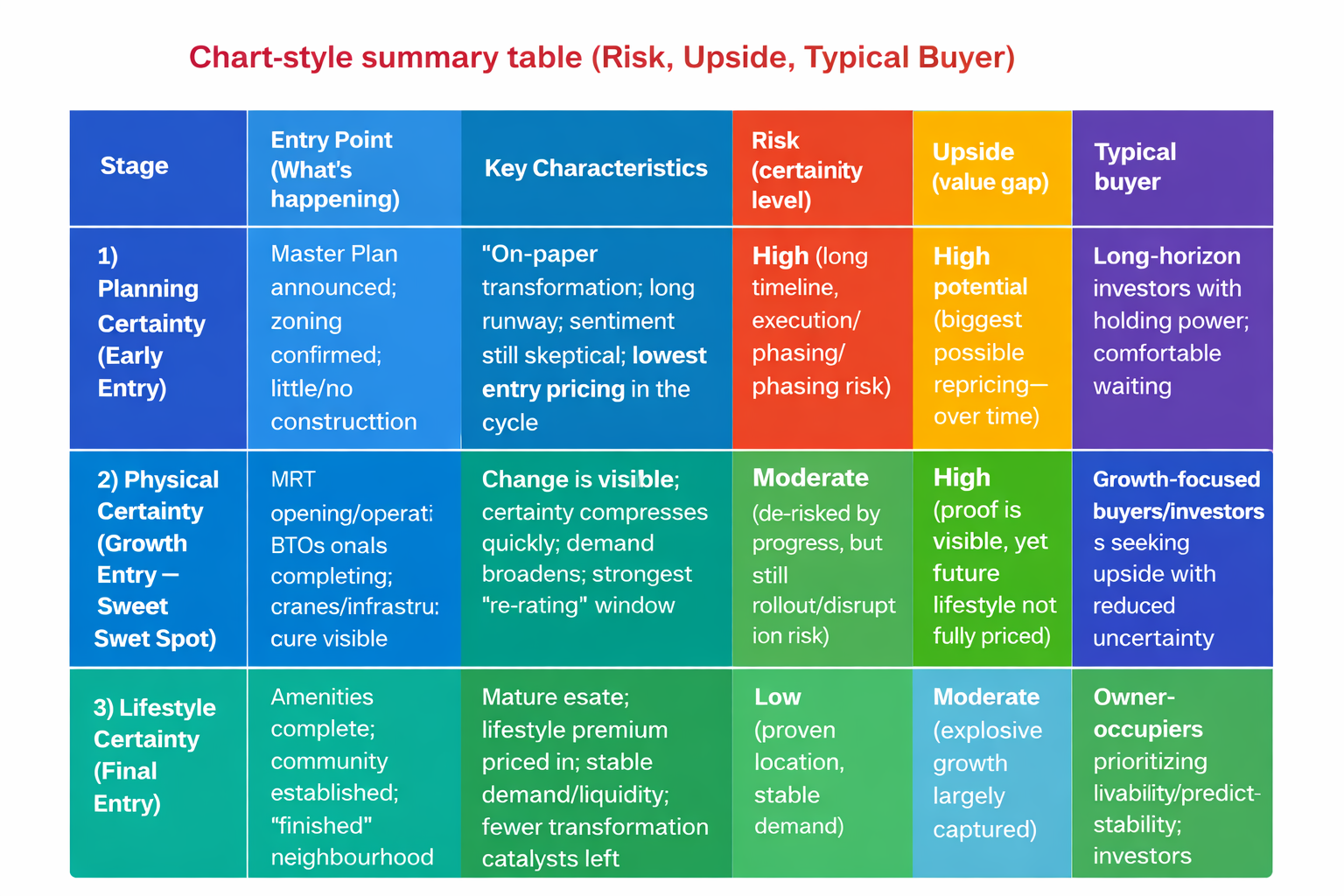
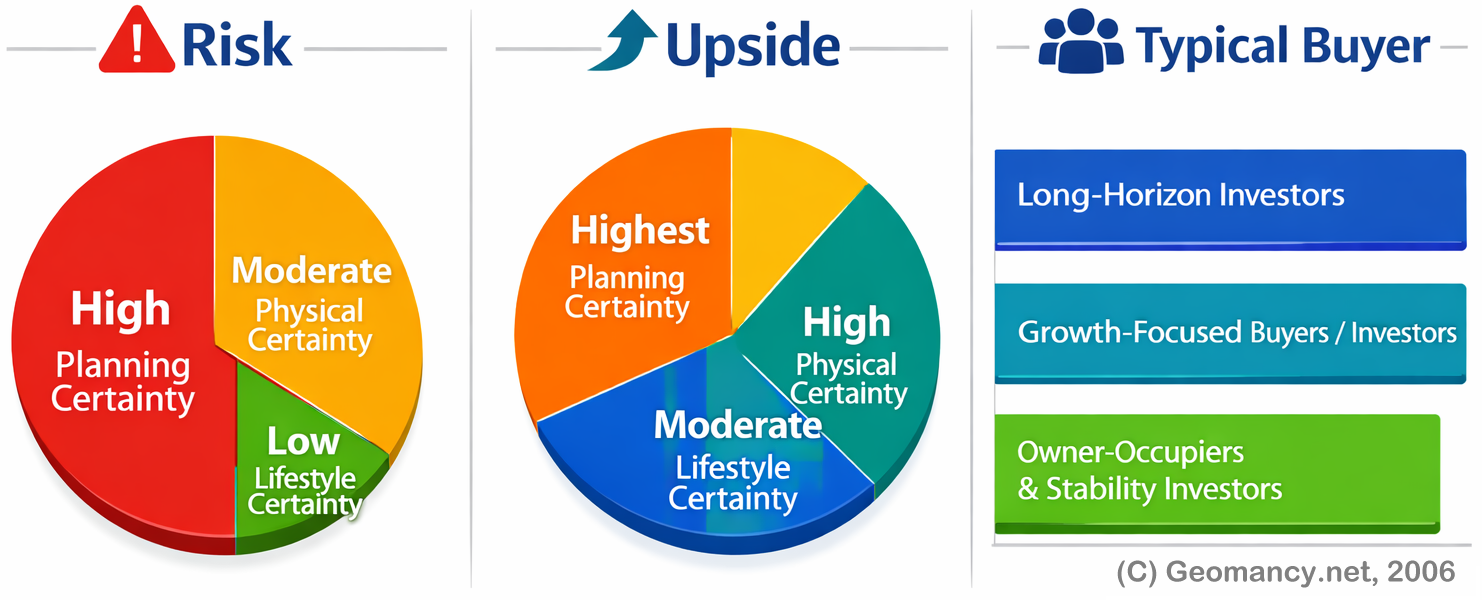
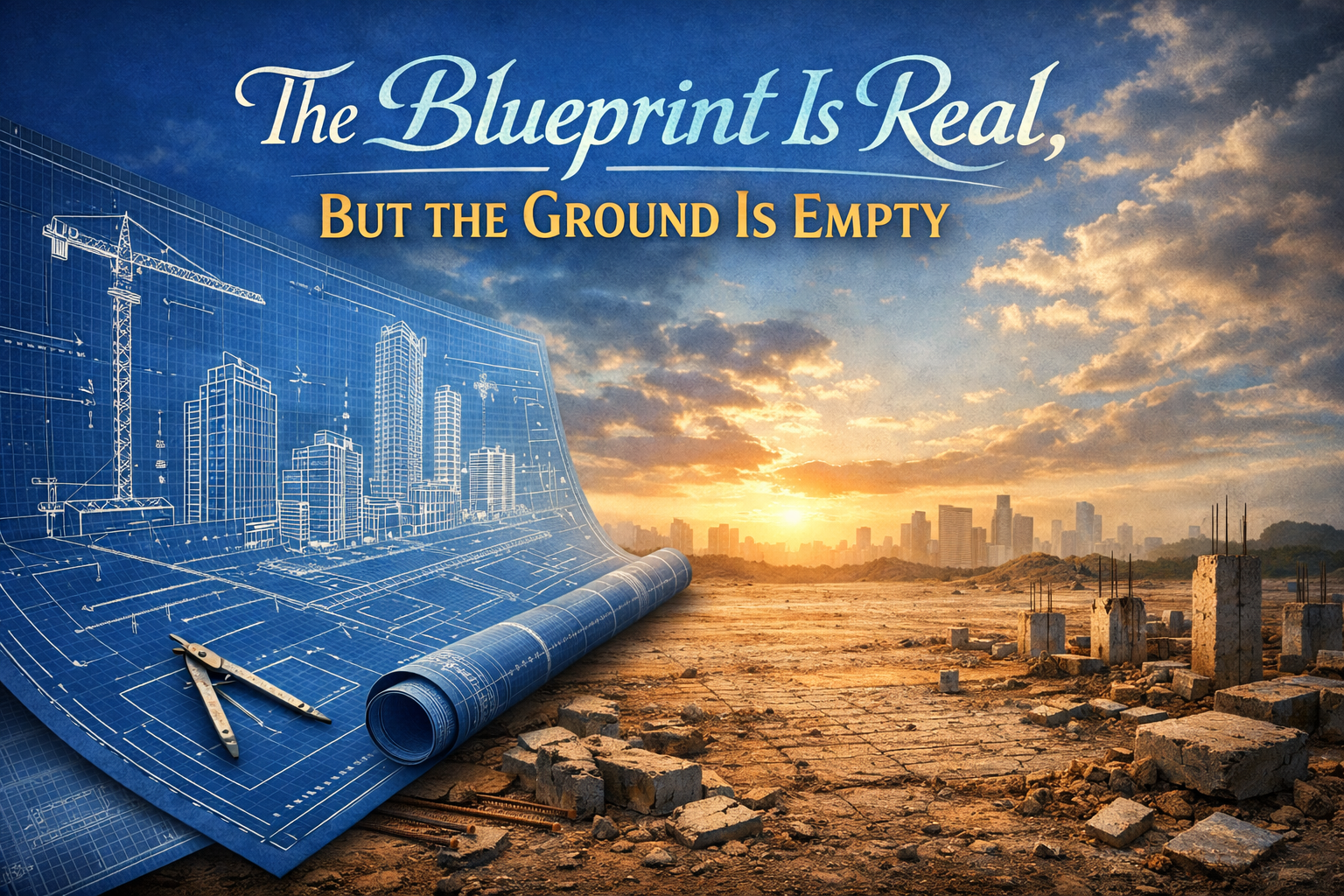
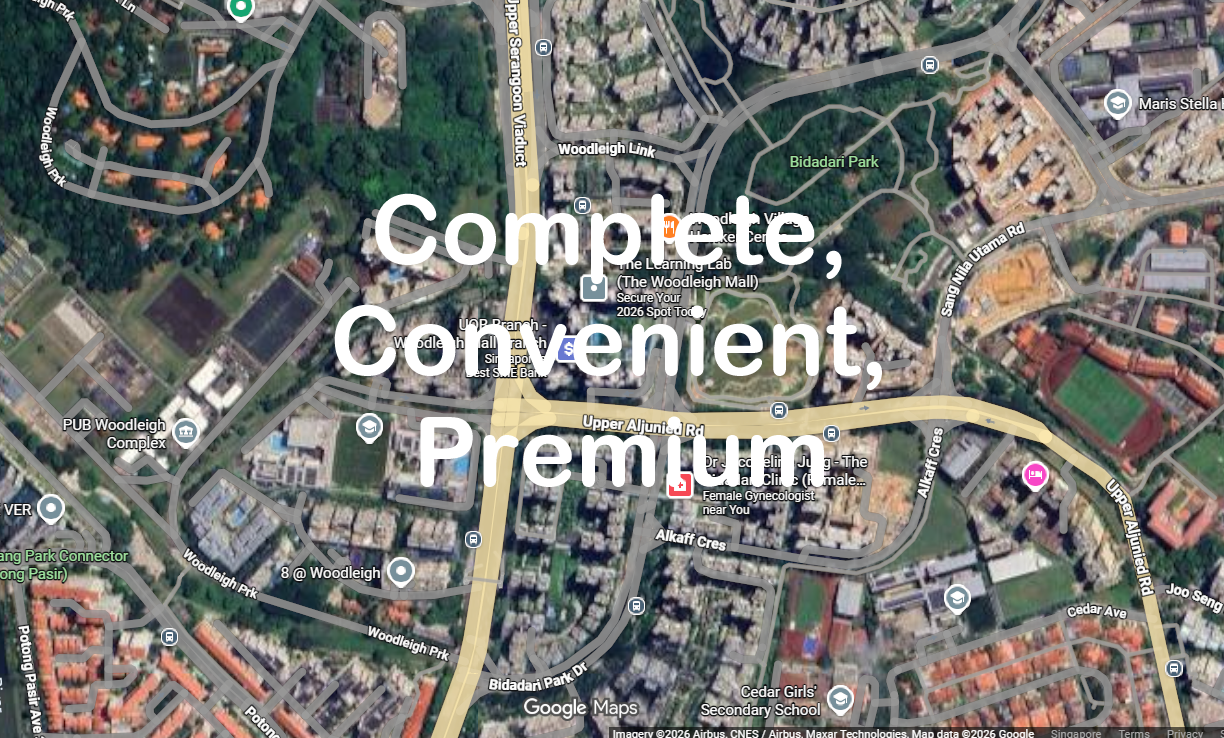
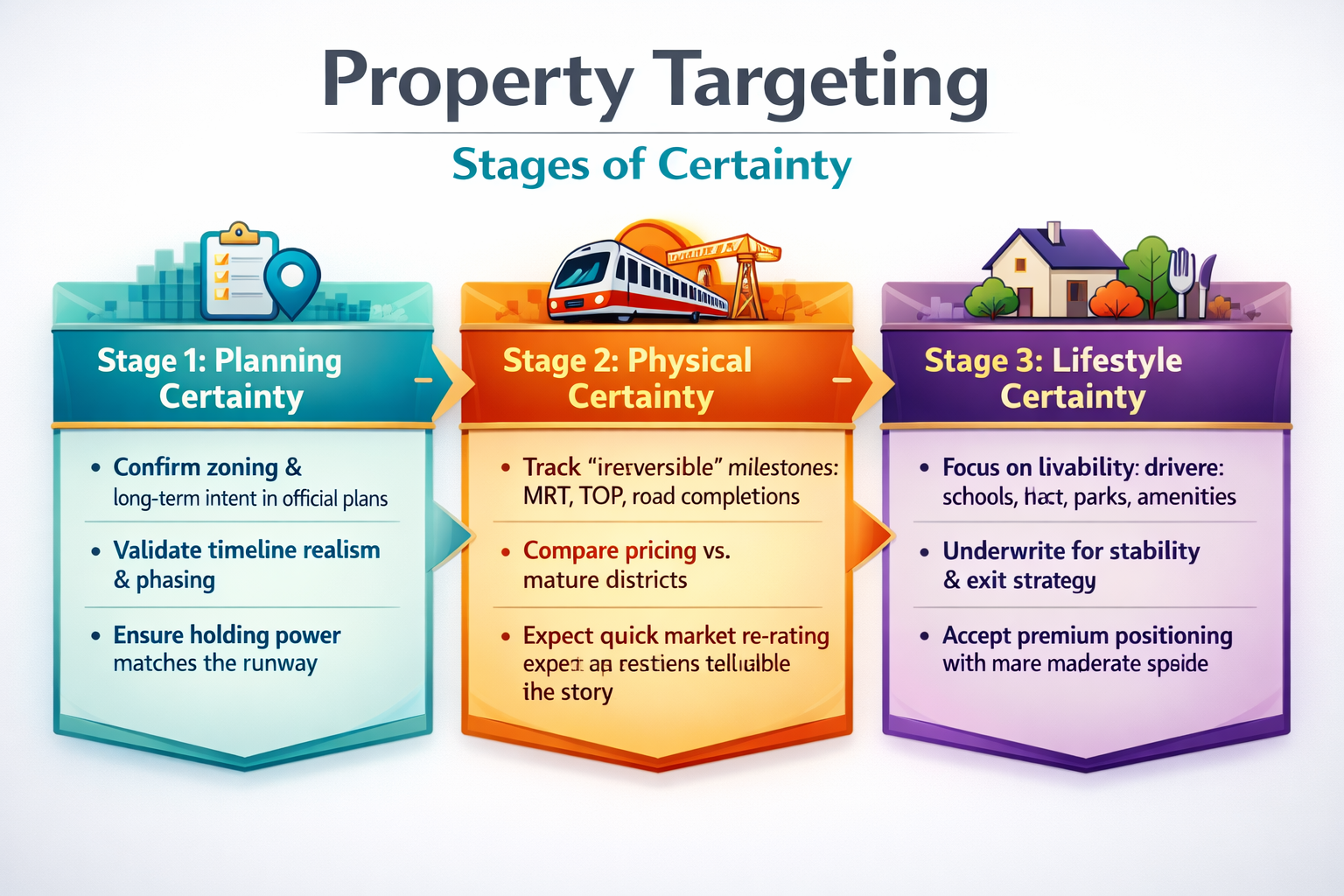
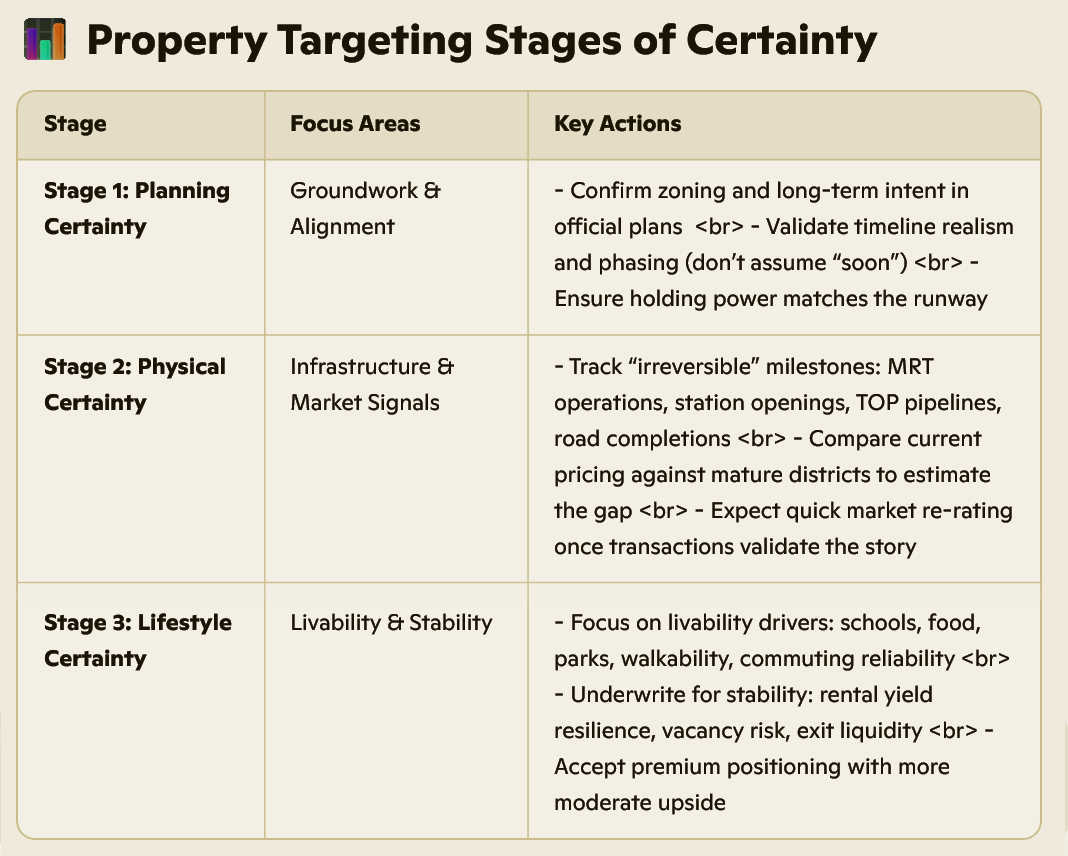
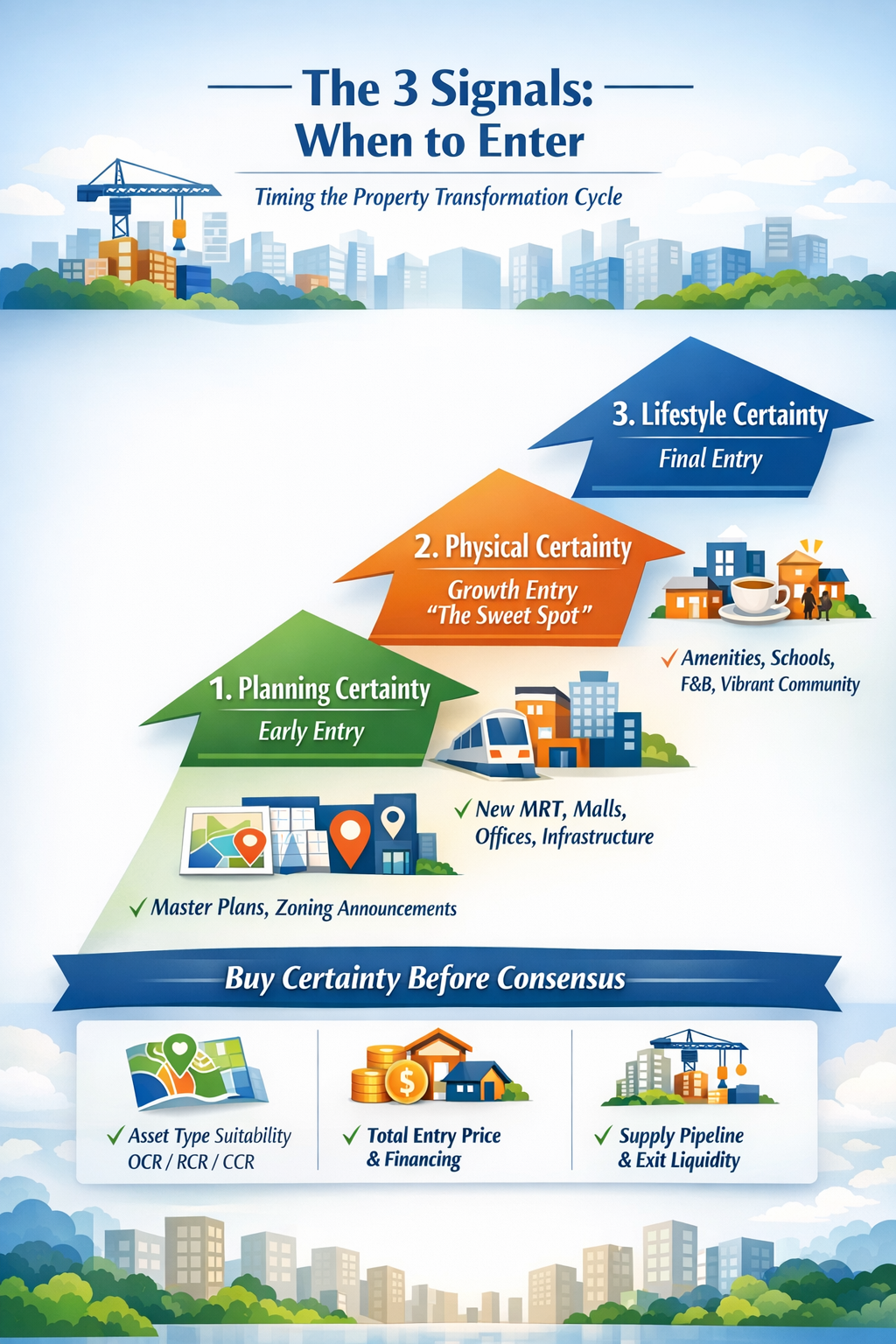
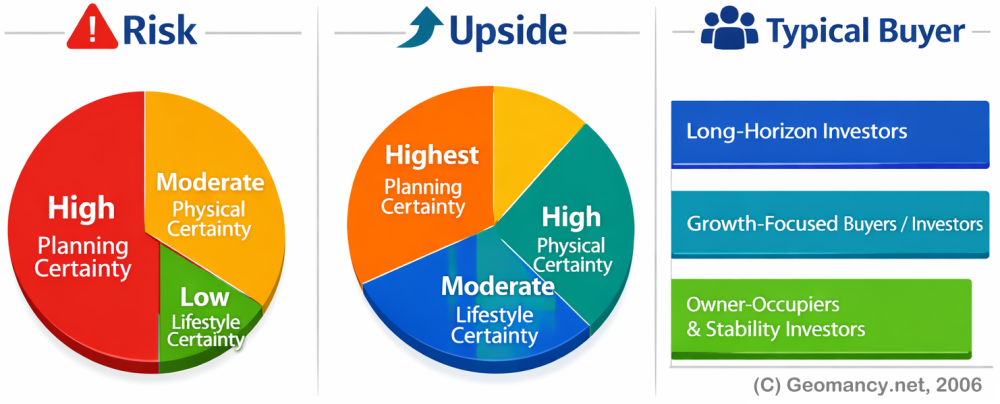
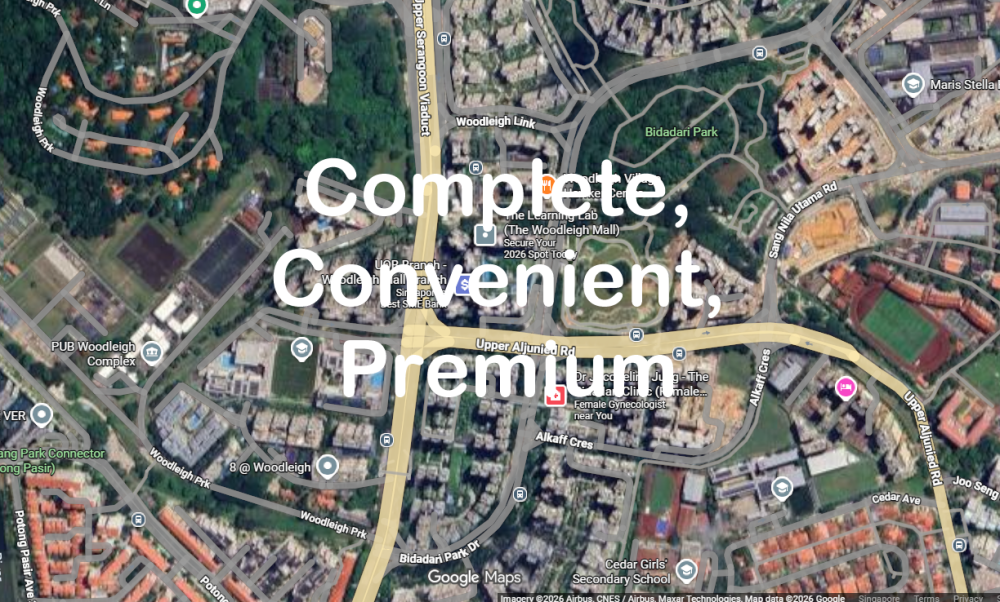
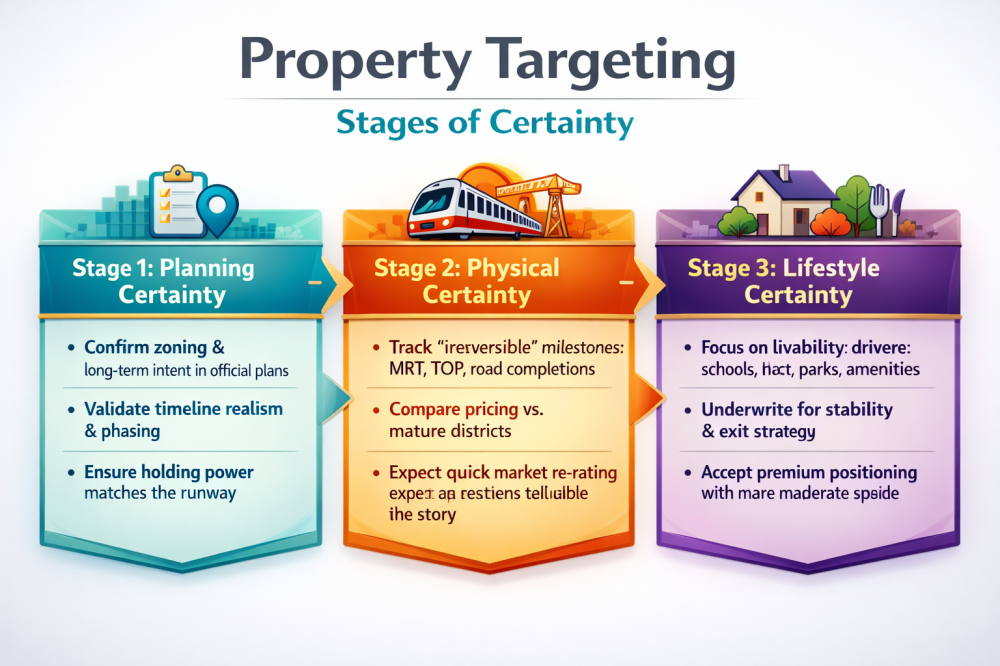
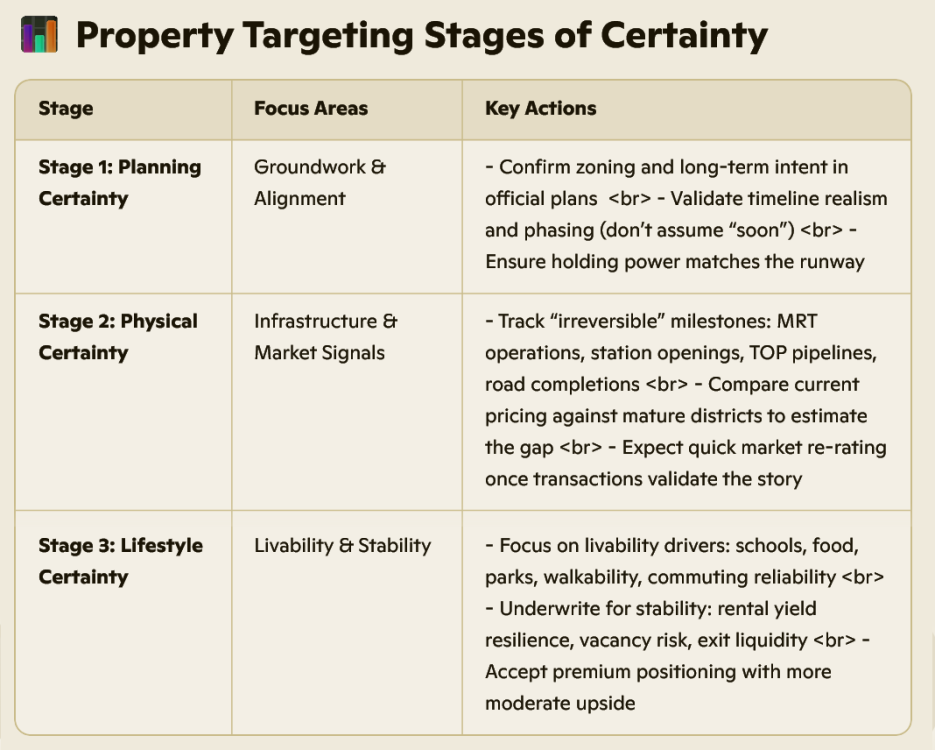
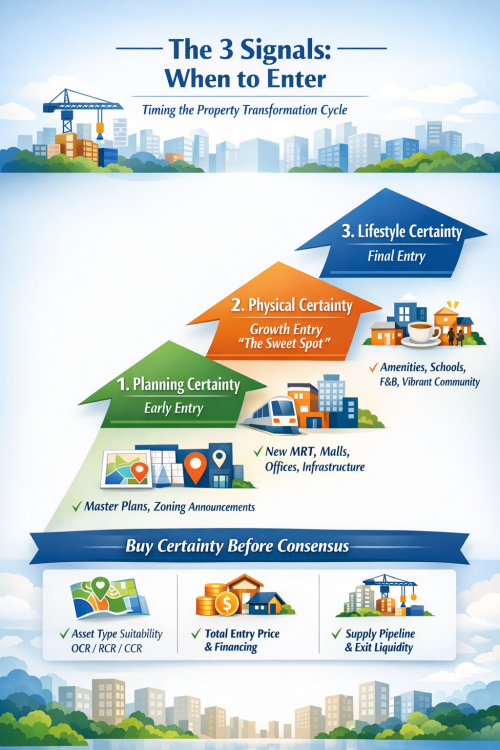
 +++ The 3 Certainties of Property Transformation: A Professional Framework for Timing Your Entry The 3 Signals: When to Enter Real estate outperformance is rarely about “finding a cheap unit.” It is more often about entering a location at the right point in its transformation cycle—when the market has not yet fully priced in what is coming, but the probability of change is rising. A practical way to time this is to track three escalating forms of certainty: 1. Planning Certainty (Early Entry) 2. Physical Certainty (Growth Entry — the Sweet Spot) 3. Lifestyle Certainty (Final Entry) Each stage carries a different risk profile, valuation logic, and profit potential. The investors who consistently do well are not guessing the future—they are buying certainty before it becomes consensus. Since 1996, (C) Geomancy.net Stage 1 — Planning Certainty (Early Entry): “The Blueprint Is Real, But the Ground Is Empty” What it looks like - Government master plan announced - Zoning confirmed, land use intentions clarified - Nothing built yet (or minimal enabling works) - The narrative is strong, but proof on the ground is limited Why prices are lowest here At this stage, the market discounts heavily because the timeline is long and outcomes feel abstract. Even if the plan is credible, buyers price in: - execution risk (delays, phasing, policy shifts) - opportunity cost (capital tied up for years) - uncertainty around the eventual “vibe” of the area Result: This stage often offers the lowest entry prices in the entire cycle. Who Stage 1 is for - Investors with long holding power - Buyers comfortable with “paper certainty” and longer waits - Portfolios that can tolerate slower initial appreciation Example: Paya Lebar Airbase (PLA) - Announced in 2013, reinforced by planning clarity including the 2025 Master Plan - Approximately 800 hectares of future mixed-use development - Connectivity uplift (e.g., Cross Island Line integration) - Major development expected to ramp in the 2030s Interpretation: This is classic Planning Certainty—arguably the lowest-cost point of entry, but also the longest runway. Stage 2 — Physical Certainty (Growth Entry): “You Can See It Now” (The Sweet Spot) One of the most often-quoted examples in the recent past was Bidahari Estate. What it looks like - MRT stations opening or operational - BTO projects completing, population starting to form - Cranes are up (active construction, visible delivery) - Roads, bridges, parks, and commercial nodes are clearly taking shape This is the inflection point where the market shifts from believing to recognizing. Why this stage tends to produce the biggest profits Stage 2 is where you often get the best mix of: - de-risking (proof replaces speculation) - still-wide valuation gap (future amenities are not fully priced) - accelerating demand (buyers upgrade their confidence) In simple terms: the discount for uncertainty shrinks rapidly, but the neighbourhood is not “finished”—so you are not yet paying the full lifestyle premium. Who Stage 2 is for - Buyers seeking strong upside with reduced uncertainty - Investors who want to ride the re-rating phase (not just wait for completion) - Owners comfortable with some construction disruption in exchange for value capture Example: Bidadari (The “Cemetery” Mispricing) When The Woodleigh Residences launched in 2019 at about $1,733 psf, public perception lagged reality. Many still anchored on the old “cemetery” identity. But the physical signals were already strong: - MRT presence and connectivity were real - Roads were being realigned and infrastructure works were tangible - BTO completions were bringing in residents and demand fundamentals A reported outcome: ~$660,000 profit—generated not by buying a finished estate, but by buying during Physical Certainty, before broad-market pricing fully adjusted to the new reality. Example: Lentor (Certainty Compression in Real Time) With the Thomson–East Coast Line (TEL) and the area’s redevelopment momentum, Lentor illustrates how pricing can escalate as certainty increases: - Early launches price in “potential” - Later launches price in “proof” (transport reliability, buyer adoption, comparable transactions) - Each new delivery milestone compresses the uncertainty discount further Key takeaway: In districts like Lentor, the biggest jumps typically come as the MRT and surrounding projects transition from plan → operation → lived experience. Stage 3 — Lifestyle Certainty (Final Entry): “Complete, Convenient, Premium” What it looks like - Area is fully developed - Amenities are complete (retail, schools, parks, transport integration) - A vibrant community exists (the place has identity and habit) - Rental demand is stable, and owner-occupier willingness to pay is high Why profits are solid but moderate By Stage 3, you are paying for: - certainty - convenience - comfort - a proven neighbourhood The trade-off is that the explosive repricing has usually already happened. Returns can still be good, but the entry price is higher, and incremental gains are often steadier rather than outsized. Who Stage 3 is for - Owner-occupiers prioritizing quality of life and predictability - Investors seeking stability, easier leasing, lower “execution risk” - Buyers who prefer to pay a premium to avoid transformation disruption Example: East Coast (Finished-Neighbourhood Premium) Examples cited: - Liv @ MB buyers averaged about $275K–$354K profit - Amber Park averaged about $264K–$536K These are respectable outcomes—but the entry pricing tells the story: - Buyers entered around $2,368–$2,479 psf, substantially higher than Woodleigh’s earlier $1,733 psf Interpretation: East Coast reflects Lifestyle Certainty—strong, proven demand and good profits, but much of the “transformation alpha” is already captured in the price you pay. --- The Core Insight: Markets Don’t Reprice Once—They Reprice Three Times You can think of the transformation cycle as three separate repricing events: 1. Planning Certainty: repricing begins quietly (only some buyers act) 2. Physical Certainty: repricing accelerates (evidence converts skeptics) 3. Lifestyle Certainty: repricing stabilizes (premium for completion, not potential) The most consistent outperformance tends to occur when you enter before the crowd upgrades its confidence—but after enough proof exists to meaningfully reduce downside risk. That is why Stage 2 is often the “sweet spot.” --- How to Use This Framework (Practical Checklist) In Summary, ### Chart Summary: Risk, Upside, and Typical Buyer Profiles The graphic breaks a property/opportunity into three lenses—**Risk**, Upside, and Typical Buyer—using “certainty” levels to show what is most/least predictable and where the value potential sits. 1) Risk (left pie) Risk is driven mainly by planning certainty: - High Planning Certainty (largest share): The dominant risk factor relates to the planning/entitlement environment (e.g., approvals, zoning, allowable uses). Even with “high certainty,” planning outcomes still represent the biggest risk component relative to the others. - Moderate Physical Certainty (mid share): Site/building conditions are somewhat knowable (e.g., condition, access, services, construction complexity), creating a moderate level of risk. - Low Lifestyle Certainty (smallest share): Lifestyle/amenity or “place experience” factors are least certain (e.g., neighborhood perception, livability, demand drivers tied to lifestyle), adding a smaller—but less predictable—risk portion. Interpretation: Overall risk is weighted toward planning/entitlement considerations, with physical factors secondary and lifestyle factors the least represented but more uncertain. 2) Upside (middle pie) Upside is where certainty translates into value creation potential: - Highest Planning Certainty (large share): The strongest upside comes from planning-related confidence—when the planning path is clear, the ability to execute and capture value is greatest. - High Physical Certainty (moderate-to-large share): Solid knowledge of the physical asset/site supports upside (e.g., deliverability, cost control, feasibility). - Moderate Lifestyle Certainty (moderate share): Lifestyle demand is a meaningful contributor to upside, but only moderately certain—suggesting upside exists, though it depends more on market sentiment and buyer preferences. Interpretation: Value potential is led by planning clarity, supported by physical deliverability, with lifestyle demand contributing but less reliably. 3) Typical Buyer Profiles (right panel) Based on that risk/upside mix, the likely buyers fall into three groups: 1. Long-Horizon Investors – Buyers comfortable holding through cycles and timelines, often prioritizing durable, long-term value. 2. Growth-Focused Buyers / Investors – Buyers seeking appreciation and execution-driven returns, typically attracted to clearer planning and feasible delivery. 3. Owner-Occupiers & Stability Investors – Buyers prioritizing predictability, usability, and steady outcomes (often more sensitive to lifestyle and day-to-day fit). Overall takeaway The chart suggests an opportunity where planning certainty is the main driver of both risk and upside. Physical factors are comparatively well understood, while lifestyle factors are less predictable. As a result, the opportunity appeals to a mix of long-term, growth-oriented, and stability-focused buyers, depending on their tolerance for planning and market-driven uncertainty. 4) In Conclusion (See Below) *** This topic has nothing to do with Feng Shui. I am also not a Real Estate agent. I am simply, just like you, a property consumer who is interested in property trends in SG. ***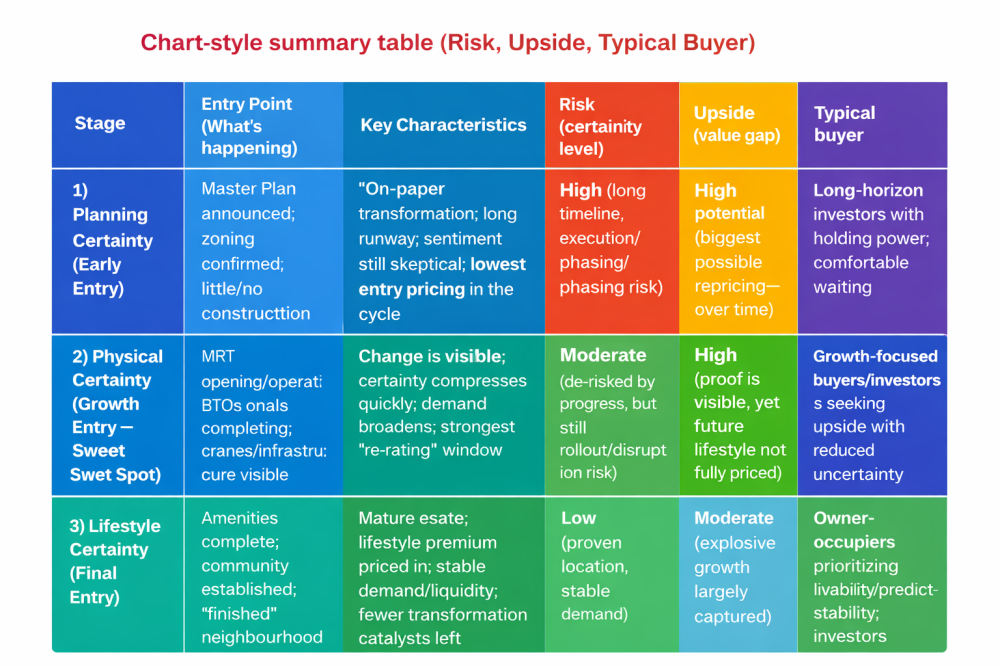




 The truth about annual Feng Shui products: what’s sold as tradition has become a highly profitable buying trap. What many people don’t realize: annual Feng Shui products are less about balance and more about selling fear. Annual Feng Shui products aren’t guidance they’re a carefully engineered sales cycle. Let’s call it what it is: the annual Feng Shui buying cycle has become a commercialized scam. Understanding the Commercial Side of Modern Feng Shui The Annual Feng Shui Money Trap: Why You’re Told to Buy for All Nine Sectors Every Year The Feng Shui Sales Machine: How Annual “Cures” Turn Advice into Retail Annual Feng Shui Products Explained: Nine Sectors, Endless Purchases Separating Authentic Feng Shui from Product-Driven Practices Feng Shui Without Forced Buying: What Clients Are Rarely Told Many Feng Shui shops deliberately push customers to buy new items year after year, making it seem like these purchases are unavoidable. The bigger the family, the more objects we’re told we need, filling our homes with products we never truly needed in the first place. Over time, this becomes a repeating cycle—almost like an addiction—where people feel they have to make an annual pilgrimage to these so‑called Feng Shui masters. Fear, superstition, and guilt are quietly used to pressure people into buying again and again. In the end, the real purpose becomes clear: generating super‑normal profits for the sellers, while ordinary people unknowingly become their victims. Recognizing this pattern is the first step toward breaking free from it. Behind the friendly advice lies a clear motive: to push customers into buying as many products as possible—one for each of the nine sectors of their home. This isn’t guidance; it’s systematic upselling disguised as tradition. If we want this cycle to end, it starts with us. Please spread the word: when people stop buying out of fear, the selling stops too.
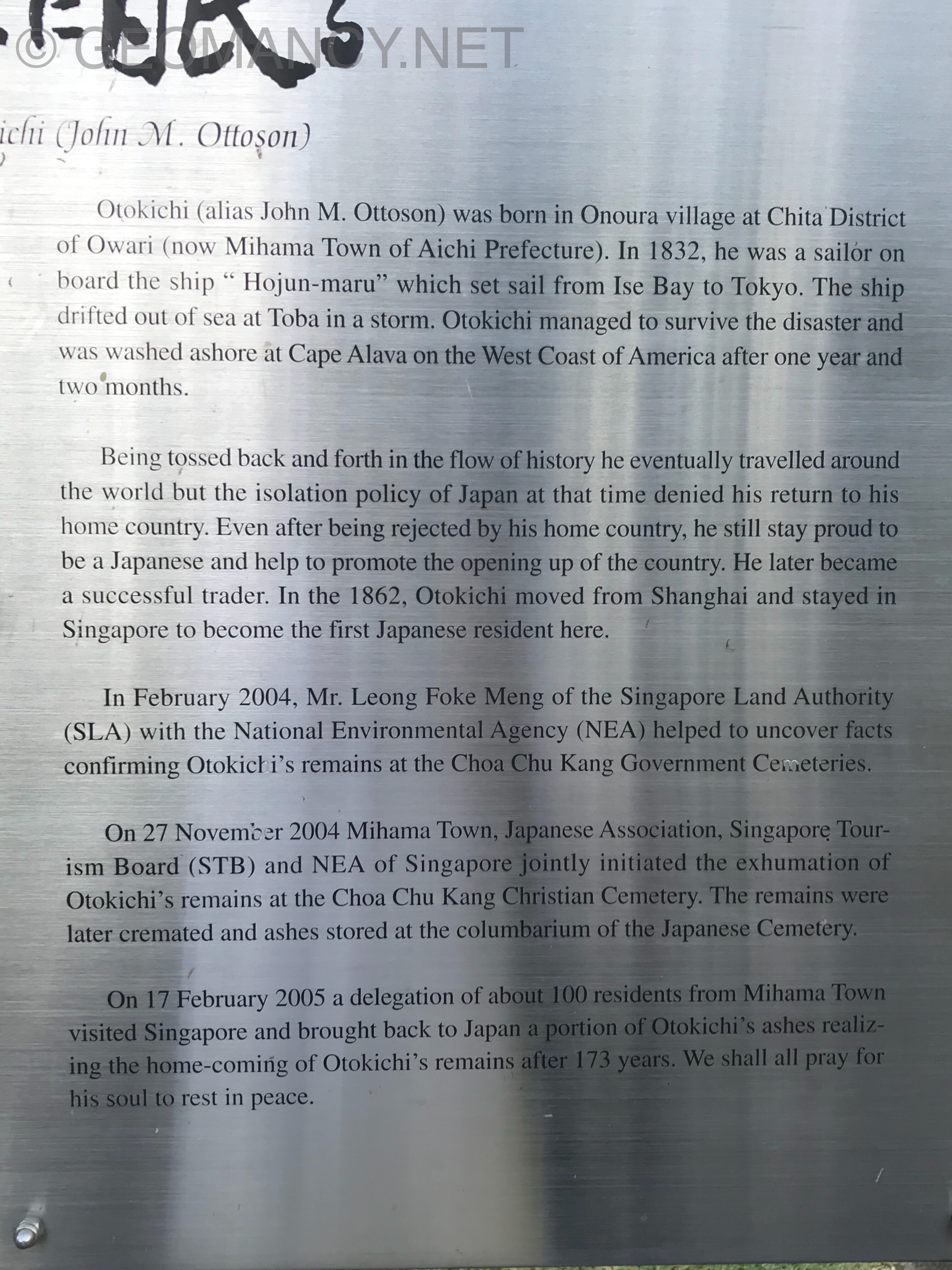
Related: Is a squarish or narrow layout better for an office unit What key factors should I consider Does this also apply to homes - Feng Shui for Business - FengShui.Geomancy.NetOtokichi (John M. Ottoson) Otokichi (alias John M. Ottoson) was born in Onoura village at Chita District of Owari (now Mihama Town of Aichi Prefecture). In 1832, he was a sailor on board the ship “Hojun-maru” which set sail from Ise Bay to Tokyo. The ship drifted out of sea at Toba in a storm. Otokichi managed to survive the disaster and was washed ashore at Cape Alava on the West Coast of America after one year and two months. Being tossed back and forth in the flow of history he eventually travelled around the world but the isolation policy of Japan at that time denied his return to his home country. Even after being rejected by his home country, he still stay proud to be a Japanese and help to promote the opening up of the country. He later became a successful trader. In the 1862, Otokichi moved from Shanghai and stayed in Singapore to become the first Japanese resident here. In February 2004, Mr. Leong Fook Meng of the Singapore Land Authority (SLA) with the National Environmental Agency (NEA) helped to uncover facts confirming Otokichi’s remains at the Choa Chu Kang Government Cemeteries. On 27 November 2004 Mihama Town, Japanese Association, Singapore Tourism Board (STB) and NEA of Singapore jointly initiated the exhumation of Otokichi’s remains at the Choa Chu Kang Christian Cemetery. The remains were later cremated and ashes stored at the columbarium of the Japanese Cemetery. On 17 February 2005 a delegation of about 100 residents from Mihama Town visited Singapore and brought back to Japan a portion of Otokichi’s ashes realizing the home-coming of Otokichi’s remains after 173 years. We shall all pray for his soul to rest in peace.
The truth about annual Feng Shui products: what’s sold as tradition has become a highly profitable buying trap. What many people don’t realize: annual Feng Shui products are less about balance and more about selling fear. Annual Feng Shui products aren’t guidance they’re a carefully engineered sales cycle. Let’s call it what it is: the annual Feng Shui buying cycle has become a commercialized scam. Understanding the Commercial Side of Modern Feng Shui The Annual Feng Shui Money Trap: Why You’re Told to Buy for All Nine Sectors Every Year The Feng Shui Sales Machine: How Annual “Cures” Turn Advice into Retail Annual Feng Shui Products Explained: Nine Sectors, Endless Purchases Separating Authentic Feng Shui from Product-Driven Practices Feng Shui Without Forced Buying: What Clients Are Rarely Told Many Feng Shui shops deliberately push customers to buy new items year after year, making it seem like these purchases are unavoidable. The bigger the family, the more objects we’re told we need, filling our homes with products we never truly needed in the first place. Over time, this becomes a repeating cycle—almost like an addiction—where people feel they have to make an annual pilgrimage to these so‑called Feng Shui masters. Fear, superstition, and guilt are quietly used to pressure people into buying again and again. In the end, the real purpose becomes clear: generating super‑normal profits for the sellers, while ordinary people unknowingly become their victims. Recognizing this pattern is the first step toward breaking free from it. Behind the friendly advice lies a clear motive: to push customers into buying as many products as possible—one for each of the nine sectors of their home. This isn’t guidance; it’s systematic upselling disguised as tradition. If we want this cycle to end, it starts with us. Please spread the word: when people stop buying out of fear, the selling stops too.
The truth about annual Feng Shui products: what’s sold as tradition has become a highly profitable buying trap. What many people don’t realize: annual Feng Shui products are less about balance and more about selling fear. Annual Feng Shui products aren’t guidance they’re a carefully engineered sales cycle. Let’s call it what it is: the annual Feng Shui buying cycle has become a commercialized scam. Understanding the Commercial Side of Modern Feng Shui The Annual Feng Shui Money Trap: Why You’re Told to Buy for All Nine Sectors Every Year The Feng Shui Sales Machine: How Annual “Cures” Turn Advice into Retail Annual Feng Shui Products Explained: Nine Sectors, Endless Purchases Separating Authentic Feng Shui from Product-Driven Practices Feng Shui Without Forced Buying: What Clients Are Rarely Told Many Feng Shui shops deliberately push customers to buy new items year after year, making it seem like these purchases are unavoidable. The bigger the family, the more objects we’re told we need, filling our homes with products we never truly needed in the first place. Over time, this becomes a repeating cycle—almost like an addiction—where people feel they have to make an annual pilgrimage to these so‑called Feng Shui masters. Fear, superstition, and guilt are quietly used to pressure people into buying again and again. In the end, the real purpose becomes clear: generating super‑normal profits for the sellers, while ordinary people unknowingly become their victims. Recognizing this pattern is the first step toward breaking free from it. Behind the friendly advice lies a clear motive: to push customers into buying as many products as possible—one for each of the nine sectors of their home. This isn’t guidance; it’s systematic upselling disguised as tradition. If we want this cycle to end, it starts with us. Please spread the word: when people stop buying out of fear, the selling stops too.
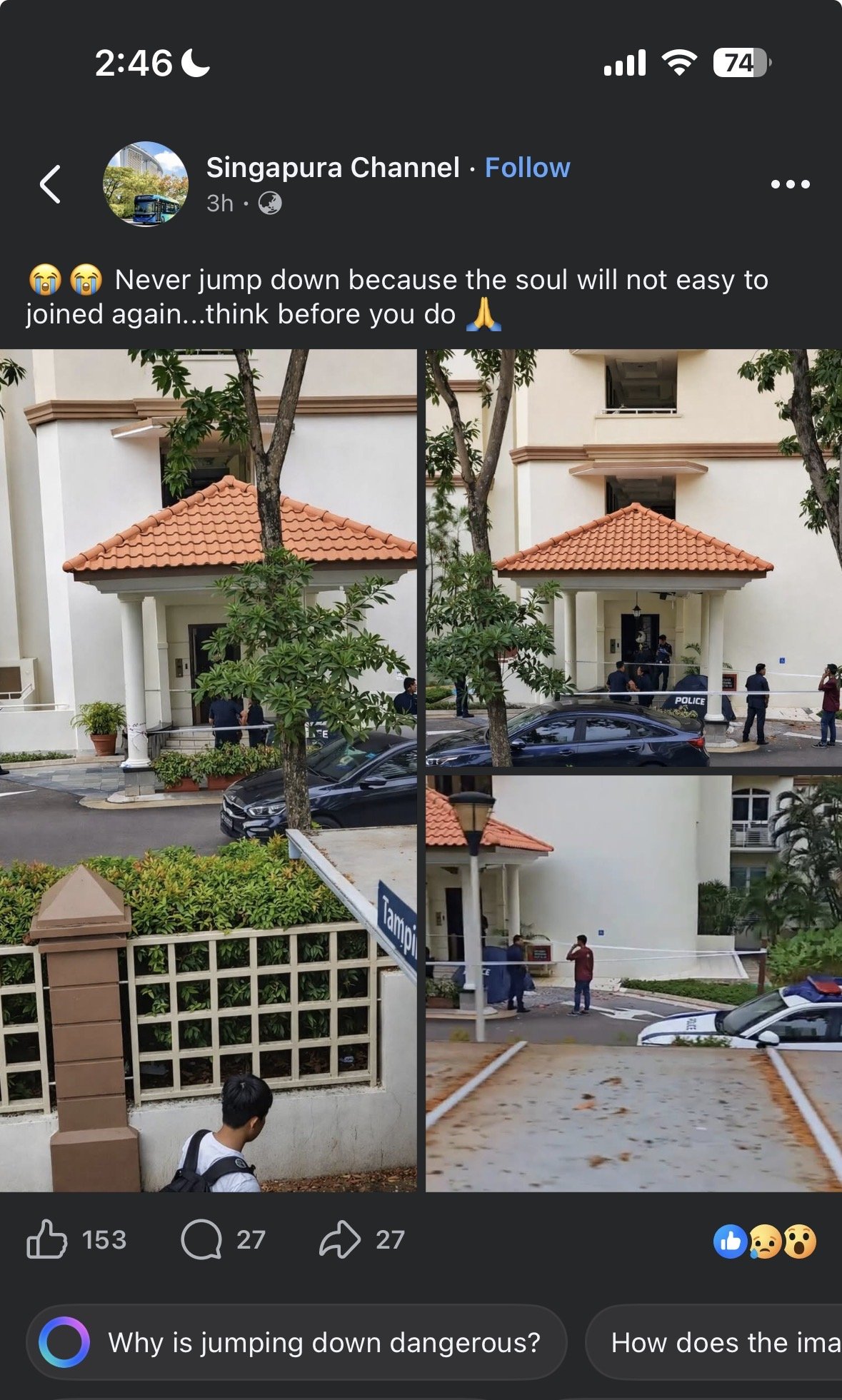
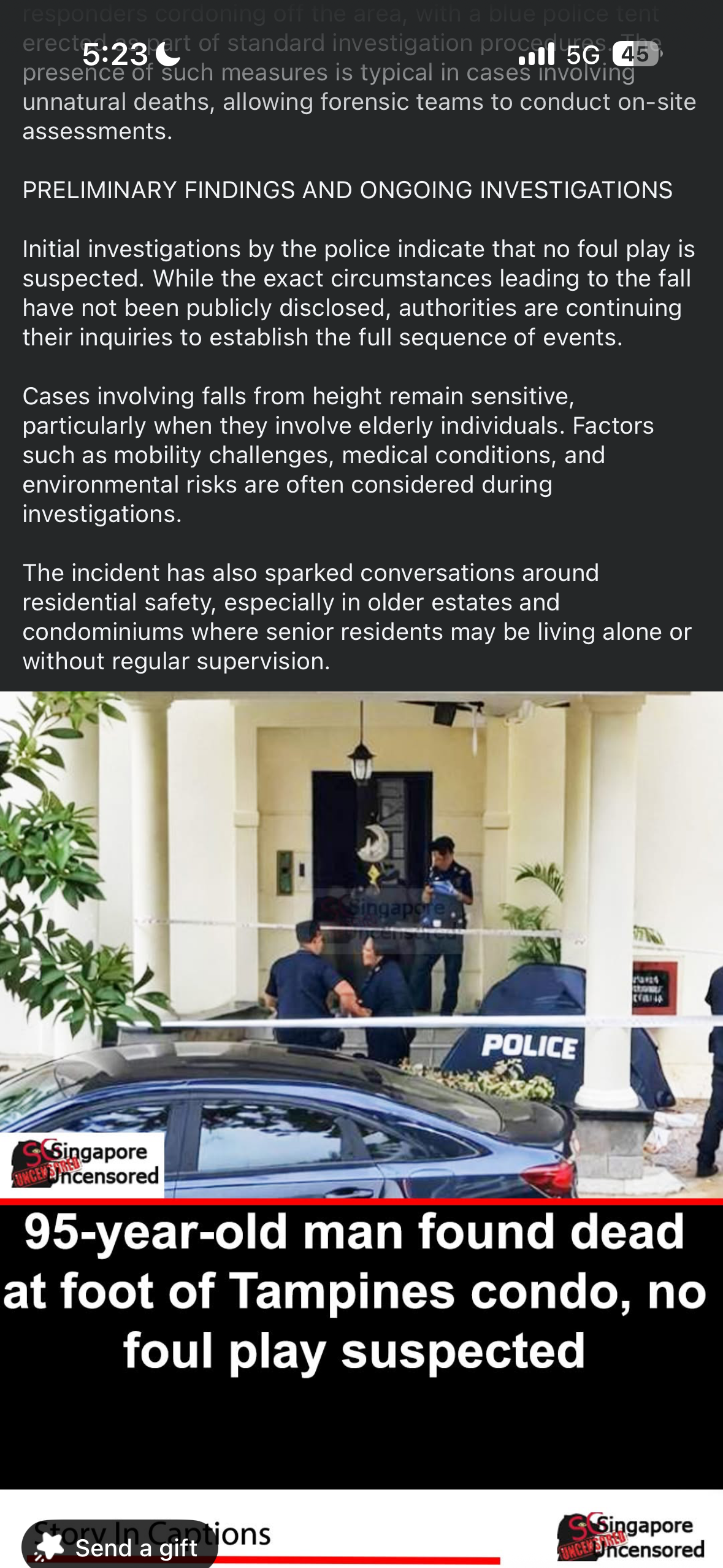
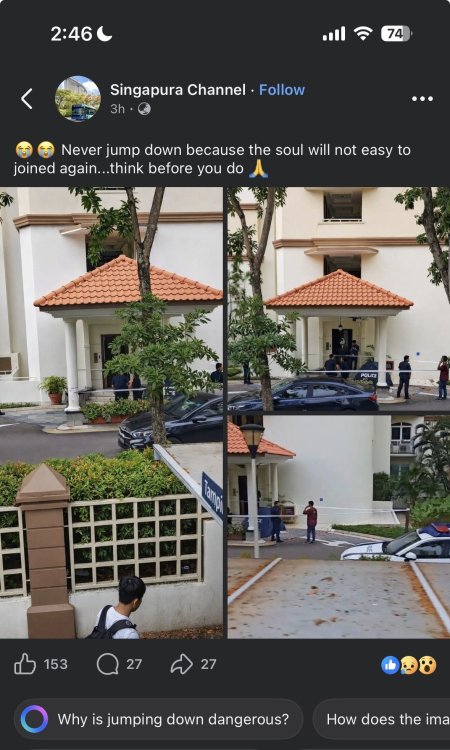
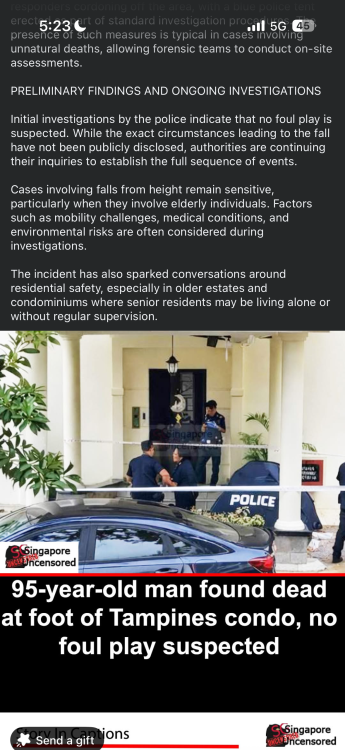
Related: Is a squarish or narrow layout better for an office unit What key factors should I consider Does this also apply to homes - Feng Shui for Business - FengShui.Geomancy.NetOtokichi (John M. Ottoson) Otokichi (alias John M. Ottoson) was born in Onoura village at Chita District of Owari (now Mihama Town of Aichi Prefecture). In 1832, he was a sailor on board the ship “Hojun-maru” which set sail from Ise Bay to Tokyo. The ship drifted out of sea at Toba in a storm. Otokichi managed to survive the disaster and was washed ashore at Cape Alava on the West Coast of America after one year and two months. Being tossed back and forth in the flow of history he eventually travelled around the world but the isolation policy of Japan at that time denied his return to his home country. Even after being rejected by his home country, he still stay proud to be a Japanese and help to promote the opening up of the country. He later became a successful trader. In the 1862, Otokichi moved from Shanghai and stayed in Singapore to become the first Japanese resident here. In February 2004, Mr. Leong Fook Meng of the Singapore Land Authority (SLA) with the National Environmental Agency (NEA) helped to uncover facts confirming Otokichi’s remains at the Choa Chu Kang Government Cemeteries. On 27 November 2004 Mihama Town, Japanese Association, Singapore Tourism Board (STB) and NEA of Singapore jointly initiated the exhumation of Otokichi’s remains at the Choa Chu Kang Christian Cemetery. The remains were later cremated and ashes stored at the columbarium of the Japanese Cemetery. On 17 February 2005 a delegation of about 100 residents from Mihama Town visited Singapore and brought back to Japan a portion of Otokichi’s ashes realizing the home-coming of Otokichi’s remains after 173 years. We shall all pray for his soul to rest in peace.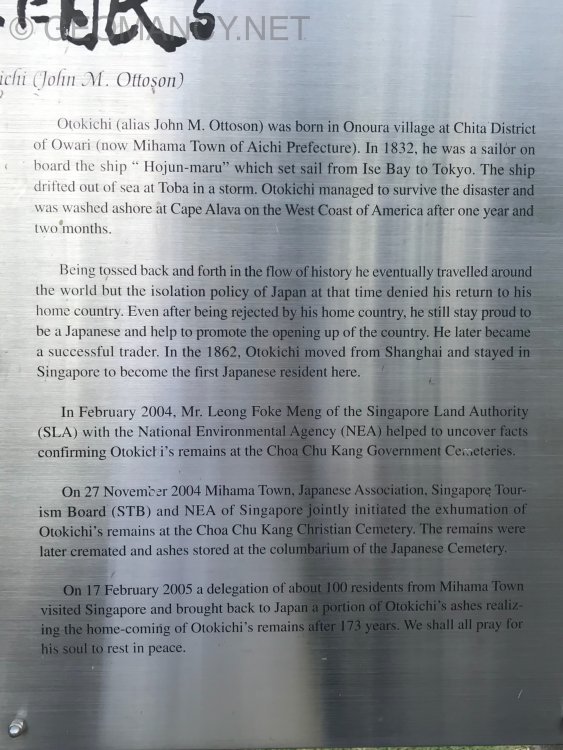 Around 10th April, suicide occurred at The Tropica condo…
If your customer buys once, you made a sale. That moment matters but it’s only the beginning. A first purchase can happen for a dozen reasons: timing, curiosity, a discount, a strong headline, a recommendation, or even pure convenience. A one-time transaction proves you had an offer worth trying. If they come back, you built trust. Repeat business is what separates a good first impression from a reliable relationship. Customers return when you deliver what you promised—quality, consistency, fair pricing, responsive support, and an experience that feels safe and predictable. Trust is built in the details: shipping that matches expectations, clear communication, an easy return process, and a product or service that performs the way you said it would. If they tell others, you built a brand.Word-of-mouth is the highest compliment because it carries someone’s reputation with it. People don’t recommend a business just because it’s “fine”—they recommend it because it’s memorable, because it made their life easier, because it reflects who they are, or because it consistently delivers. A brand isn’t your logo or your colors; it’s the story people repeat about you when you’re not in the room. The real goal isn’t just a sale. It’s earning trust then earning advocacy. —Steve JobsIF YOUR CUSTOMER BUYS ONCE, YOU MADE A SALE. IF THEY COME BACK, YOU BUILT TRUST. IF THEY TELL OTHERS, YOU BUILT A BRAND Steve JobsMajor Chinese Festivals Lunar Date Name of Festival Description Last day of the 12th month Eve of Chinese New Year Keeping brooms out of sight. To prevent what one wishes for in the new year being swept away. Chinese family gather together to have their `reunion' dinner in the evening. All family members (including daughter-in-law) have a feast together. 1st Month, 1st Day Chinese Lunar New Year Chinese celebrate the 1st day of Chinese New Year Traditionally (in the past) the picture of the two door gods are pasted on doors:- . General Qin Shu Bao and General Yuchi Jingde of the early Tang Dynasty. Both Generals hold golden axes in their hands and held a sword, bow and arrows on their waist. Some people instead prefer to write their names on the doors instead of hanging their pictures. Make offerings (food) and offer incense to ancestors. Traditionally Fire crackers were let off to drive away evil and illnesses. Chinese couples and their children would visit relatives especially their parents and elders and present them with two mandarin oranges and a `Red packet' or Ang Pow. 1st Month, 2nd Day 2nd Day of Chinese New Year The daughter-in-law returns to her home to renew ties with her parents, brothers and sisters. 1st Month, 3rd Day 3rd Day of Chinese New Year Faithful dog day. This day, some Chinese are superstitious and will stay at home to relax and do not visit relatives. 1st Month, 4th Day 4th Day of Chinese New Year Only after 12.00pm, burning pictures of deities, gods and their bodyguards in the hope that they receive the invitation to visit earth. 1st Month, 5th Day 5th Day of Chinese New Year The day to bring out rubbish to throw away. The day to remove offerings to the deities and gods. For businesses, offerings to the gods and hang a red cloth over the shop front. 1st Month, 8th Day 8th Day of Chinese New Year Day of the Heavenly stars or God of Stars. At night, place an altar outdoors and make offering to the stars. 1st Month, 9th Day 9th Day of Chinese New Year Birthday of the Jade Emperor. The Jade Emperor was considered a supreme deity who had created Heaven and Earth. He lived in the Jade Capital Mount and thus was known as the Jade Emperor. He is also known as Ti Kong or Heaven God. On this day, some Chinese offer incense and pay their respects to him. 1st Month, 15th Day Last day of Chinese New Year. This is the last day of Chinese New Year. In Northern China, originated from the reign of Emperor Wu Di of the Han Dynasty; a pair of lanterns are hung outside the home. Fire crackers were allow let off. Related:Major Chinese Festivals Lunar Date Name of Festival Description Last day of the 12th month Eve of Chinese New Year Keeping brooms out of sight. To prevent what one wishes for in the new year being swept away. Chinese family gather together to have their `reunion' dinner in the evening. All family members (including daughter-in-law) have a feast together. 1st Month, 1st Day Chinese Lunar New Year Chinese celebrate the 1st day of Chinese New Year Traditionally (in the past) the picture of the two door gods are pasted on doors:- . General Qin Shu Bao and General Yuchi Jingde of the early Tang Dynasty. Both Generals hold golden axes in their hands and held a sword, bow and arrows on their waist. Some people instead prefer to write their names on the doors instead of hanging their pictures. Make offerings (food) and offer incense to ancestors. Traditionally Fire crackers were let off to drive away evil and illnesses. Chinese couples and their children would visit relatives especially their parents and elders and present them with two mandarin oranges and a `Red packet' or Ang Pow. 1st Month, 2nd Day 2nd Day of Chinese New Year The daughter-in-law returns to her home to renew ties with her parents, brothers and sisters. 1st Month, 3rd Day 3rd Day of Chinese New Year Faithful dog day. This day, some Chinese are superstitious and will stay at home to relax and do not visit relatives. 1st Month, 4th Day 4th Day of Chinese New Year Only after 12.00pm, burning pictures of deities, gods and their bodyguards in the hope that they receive the invitation to visit earth. 1st Month, 5th Day 5th Day of Chinese New Year The day to bring out rubbish to throw away. The day to remove offerings to the deities and gods. For businesses, offerings to the gods and hang a red cloth over the shop front. 1st Month, 8th Day 8th Day of Chinese New Year Day of the Heavenly stars or God of Stars. At night, place an altar outdoors and make offering to the stars. 1st Month, 9th Day 9th Day of Chinese New Year Birthday of the Jade Emperor. The Jade Emperor was considered a supreme deity who had created Heaven and Earth. He lived in the Jade Capital Mount and thus was known as the Jade Emperor. He is also known as Ti Kong or Heaven God. On this day, some Chinese offer incense and pay their respects to him. 1st Month, 15th Day Last day of Chinese New Year. This is the last day of Chinese New Year. In Northern China, originated from the reign of Emperor Wu Di of the Han Dynasty; a pair of lanterns are hung outside the home. Fire crackers were allow let off. Related:Major Chinese Festivals Lunar Date Name of Festival Description Last day of the 12th month Eve of Chinese New Year Keeping brooms out of sight. To prevent what one wishes for in the new year being swept away. Chinese family gather together to have their `reunion' dinner in the evening. All family members (including daughter-in-law) have a feast together. 1st Month, 1st Day Chinese Lunar New Year Chinese celebrate the 1st day of Chinese New Year Traditionally (in the past) the picture of the two door gods are pasted on doors:- . General Qin Shu Bao and General Yuchi Jingde of the early Tang Dynasty. Both Generals hold golden axes in their hands and held a sword, bow and arrows on their waist. Some people instead prefer to write their names on the doors instead of hanging their pictures. Make offerings (food) and offer incense to ancestors. Traditionally Fire crackers were let off to drive away evil and illnesses. Chinese couples and their children would visit relatives especially their parents and elders and present them with two mandarin oranges and a `Red packet' or Ang Pow. 1st Month, 2nd Day 2nd Day of Chinese New Year The daughter-in-law returns to her home to renew ties with her parents, brothers and sisters. 1st Month, 3rd Day 3rd Day of Chinese New Year Faithful dog day. This day, some Chinese are superstitious and will stay at home to relax and do not visit relatives. 1st Month, 4th Day 4th Day of Chinese New Year Only after 12.00pm, burning pictures of deities, gods and their bodyguards in the hope that they receive the invitation to visit earth. 1st Month, 5th Day 5th Day of Chinese New Year The day to bring out rubbish to throw away. The day to remove offerings to the deities and gods. For businesses, offerings to the gods and hang a red cloth over the shop front. 1st Month, 8th Day 8th Day of Chinese New Year Day of the Heavenly stars or God of Stars. At night, place an altar outdoors and make offering to the stars. 1st Month, 9th Day 9th Day of Chinese New Year Birthday of the Jade Emperor. The Jade Emperor was considered a supreme deity who had created Heaven and Earth. He lived in the Jade Capital Mount and thus was known as the Jade Emperor. He is also known as Ti Kong or Heaven God. On this day, some Chinese offer incense and pay their respects to him. 1st Month, 15th Day Last day of Chinese New Year. This is the last day of Chinese New Year. In Northern China, originated from the reign of Emperor Wu Di of the Han Dynasty; a pair of lanterns are hung outside the home. Fire crackers were allow let off. Related:
Around 10th April, suicide occurred at The Tropica condo…
If your customer buys once, you made a sale. That moment matters but it’s only the beginning. A first purchase can happen for a dozen reasons: timing, curiosity, a discount, a strong headline, a recommendation, or even pure convenience. A one-time transaction proves you had an offer worth trying. If they come back, you built trust. Repeat business is what separates a good first impression from a reliable relationship. Customers return when you deliver what you promised—quality, consistency, fair pricing, responsive support, and an experience that feels safe and predictable. Trust is built in the details: shipping that matches expectations, clear communication, an easy return process, and a product or service that performs the way you said it would. If they tell others, you built a brand.Word-of-mouth is the highest compliment because it carries someone’s reputation with it. People don’t recommend a business just because it’s “fine”—they recommend it because it’s memorable, because it made their life easier, because it reflects who they are, or because it consistently delivers. A brand isn’t your logo or your colors; it’s the story people repeat about you when you’re not in the room. The real goal isn’t just a sale. It’s earning trust then earning advocacy. —Steve JobsIF YOUR CUSTOMER BUYS ONCE, YOU MADE A SALE. IF THEY COME BACK, YOU BUILT TRUST. IF THEY TELL OTHERS, YOU BUILT A BRAND Steve JobsMajor Chinese Festivals Lunar Date Name of Festival Description Last day of the 12th month Eve of Chinese New Year Keeping brooms out of sight. To prevent what one wishes for in the new year being swept away. Chinese family gather together to have their `reunion' dinner in the evening. All family members (including daughter-in-law) have a feast together. 1st Month, 1st Day Chinese Lunar New Year Chinese celebrate the 1st day of Chinese New Year Traditionally (in the past) the picture of the two door gods are pasted on doors:- . General Qin Shu Bao and General Yuchi Jingde of the early Tang Dynasty. Both Generals hold golden axes in their hands and held a sword, bow and arrows on their waist. Some people instead prefer to write their names on the doors instead of hanging their pictures. Make offerings (food) and offer incense to ancestors. Traditionally Fire crackers were let off to drive away evil and illnesses. Chinese couples and their children would visit relatives especially their parents and elders and present them with two mandarin oranges and a `Red packet' or Ang Pow. 1st Month, 2nd Day 2nd Day of Chinese New Year The daughter-in-law returns to her home to renew ties with her parents, brothers and sisters. 1st Month, 3rd Day 3rd Day of Chinese New Year Faithful dog day. This day, some Chinese are superstitious and will stay at home to relax and do not visit relatives. 1st Month, 4th Day 4th Day of Chinese New Year Only after 12.00pm, burning pictures of deities, gods and their bodyguards in the hope that they receive the invitation to visit earth. 1st Month, 5th Day 5th Day of Chinese New Year The day to bring out rubbish to throw away. The day to remove offerings to the deities and gods. For businesses, offerings to the gods and hang a red cloth over the shop front. 1st Month, 8th Day 8th Day of Chinese New Year Day of the Heavenly stars or God of Stars. At night, place an altar outdoors and make offering to the stars. 1st Month, 9th Day 9th Day of Chinese New Year Birthday of the Jade Emperor. The Jade Emperor was considered a supreme deity who had created Heaven and Earth. He lived in the Jade Capital Mount and thus was known as the Jade Emperor. He is also known as Ti Kong or Heaven God. On this day, some Chinese offer incense and pay their respects to him. 1st Month, 15th Day Last day of Chinese New Year. This is the last day of Chinese New Year. In Northern China, originated from the reign of Emperor Wu Di of the Han Dynasty; a pair of lanterns are hung outside the home. Fire crackers were allow let off. Related:Major Chinese Festivals Lunar Date Name of Festival Description Last day of the 12th month Eve of Chinese New Year Keeping brooms out of sight. To prevent what one wishes for in the new year being swept away. Chinese family gather together to have their `reunion' dinner in the evening. All family members (including daughter-in-law) have a feast together. 1st Month, 1st Day Chinese Lunar New Year Chinese celebrate the 1st day of Chinese New Year Traditionally (in the past) the picture of the two door gods are pasted on doors:- . General Qin Shu Bao and General Yuchi Jingde of the early Tang Dynasty. Both Generals hold golden axes in their hands and held a sword, bow and arrows on their waist. Some people instead prefer to write their names on the doors instead of hanging their pictures. Make offerings (food) and offer incense to ancestors. Traditionally Fire crackers were let off to drive away evil and illnesses. Chinese couples and their children would visit relatives especially their parents and elders and present them with two mandarin oranges and a `Red packet' or Ang Pow. 1st Month, 2nd Day 2nd Day of Chinese New Year The daughter-in-law returns to her home to renew ties with her parents, brothers and sisters. 1st Month, 3rd Day 3rd Day of Chinese New Year Faithful dog day. This day, some Chinese are superstitious and will stay at home to relax and do not visit relatives. 1st Month, 4th Day 4th Day of Chinese New Year Only after 12.00pm, burning pictures of deities, gods and their bodyguards in the hope that they receive the invitation to visit earth. 1st Month, 5th Day 5th Day of Chinese New Year The day to bring out rubbish to throw away. The day to remove offerings to the deities and gods. For businesses, offerings to the gods and hang a red cloth over the shop front. 1st Month, 8th Day 8th Day of Chinese New Year Day of the Heavenly stars or God of Stars. At night, place an altar outdoors and make offering to the stars. 1st Month, 9th Day 9th Day of Chinese New Year Birthday of the Jade Emperor. The Jade Emperor was considered a supreme deity who had created Heaven and Earth. He lived in the Jade Capital Mount and thus was known as the Jade Emperor. He is also known as Ti Kong or Heaven God. On this day, some Chinese offer incense and pay their respects to him. 1st Month, 15th Day Last day of Chinese New Year. This is the last day of Chinese New Year. In Northern China, originated from the reign of Emperor Wu Di of the Han Dynasty; a pair of lanterns are hung outside the home. Fire crackers were allow let off. Related:Major Chinese Festivals Lunar Date Name of Festival Description Last day of the 12th month Eve of Chinese New Year Keeping brooms out of sight. To prevent what one wishes for in the new year being swept away. Chinese family gather together to have their `reunion' dinner in the evening. All family members (including daughter-in-law) have a feast together. 1st Month, 1st Day Chinese Lunar New Year Chinese celebrate the 1st day of Chinese New Year Traditionally (in the past) the picture of the two door gods are pasted on doors:- . General Qin Shu Bao and General Yuchi Jingde of the early Tang Dynasty. Both Generals hold golden axes in their hands and held a sword, bow and arrows on their waist. Some people instead prefer to write their names on the doors instead of hanging their pictures. Make offerings (food) and offer incense to ancestors. Traditionally Fire crackers were let off to drive away evil and illnesses. Chinese couples and their children would visit relatives especially their parents and elders and present them with two mandarin oranges and a `Red packet' or Ang Pow. 1st Month, 2nd Day 2nd Day of Chinese New Year The daughter-in-law returns to her home to renew ties with her parents, brothers and sisters. 1st Month, 3rd Day 3rd Day of Chinese New Year Faithful dog day. This day, some Chinese are superstitious and will stay at home to relax and do not visit relatives. 1st Month, 4th Day 4th Day of Chinese New Year Only after 12.00pm, burning pictures of deities, gods and their bodyguards in the hope that they receive the invitation to visit earth. 1st Month, 5th Day 5th Day of Chinese New Year The day to bring out rubbish to throw away. The day to remove offerings to the deities and gods. For businesses, offerings to the gods and hang a red cloth over the shop front. 1st Month, 8th Day 8th Day of Chinese New Year Day of the Heavenly stars or God of Stars. At night, place an altar outdoors and make offering to the stars. 1st Month, 9th Day 9th Day of Chinese New Year Birthday of the Jade Emperor. The Jade Emperor was considered a supreme deity who had created Heaven and Earth. He lived in the Jade Capital Mount and thus was known as the Jade Emperor. He is also known as Ti Kong or Heaven God. On this day, some Chinese offer incense and pay their respects to him. 1st Month, 15th Day Last day of Chinese New Year. This is the last day of Chinese New Year. In Northern China, originated from the reign of Emperor Wu Di of the Han Dynasty; a pair of lanterns are hung outside the home. Fire crackers were allow let off. Related: